
What is the testing method selected for the integrity inspection of geomembranes?
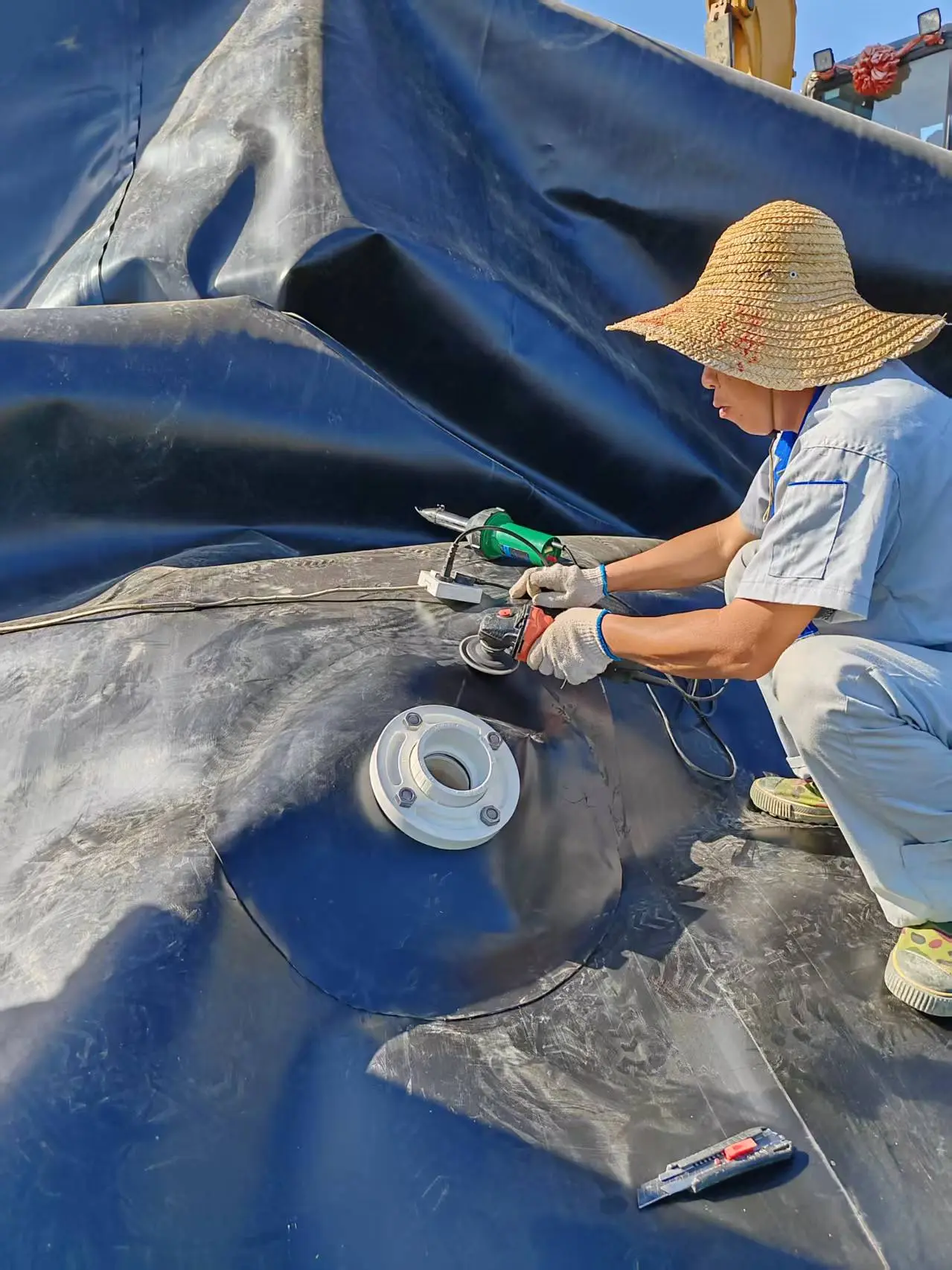
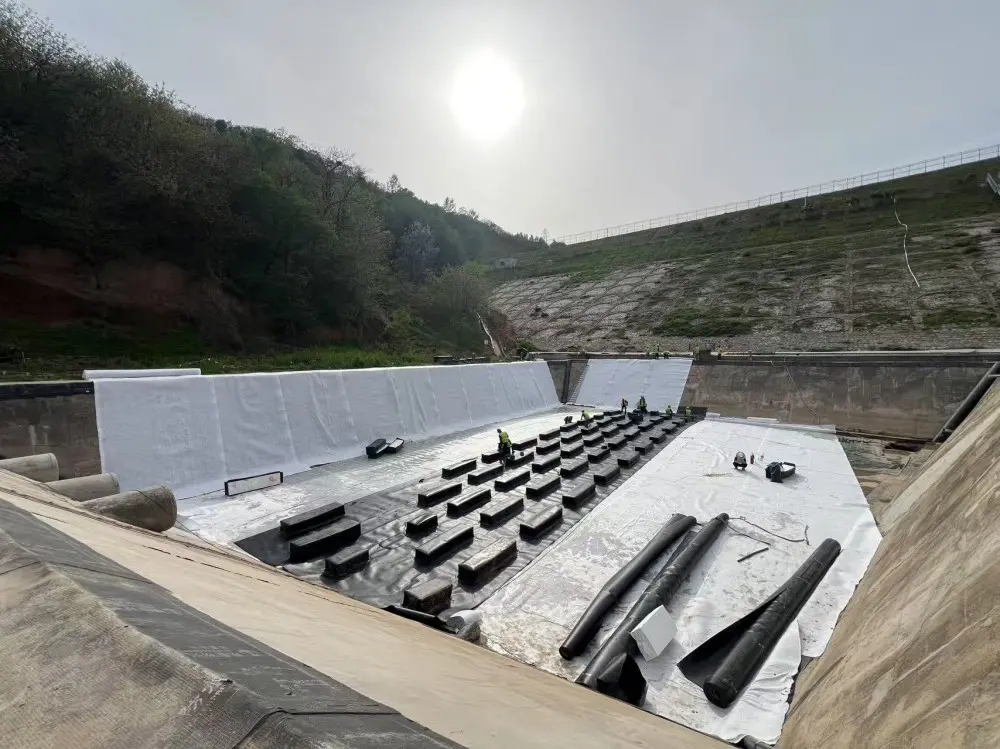
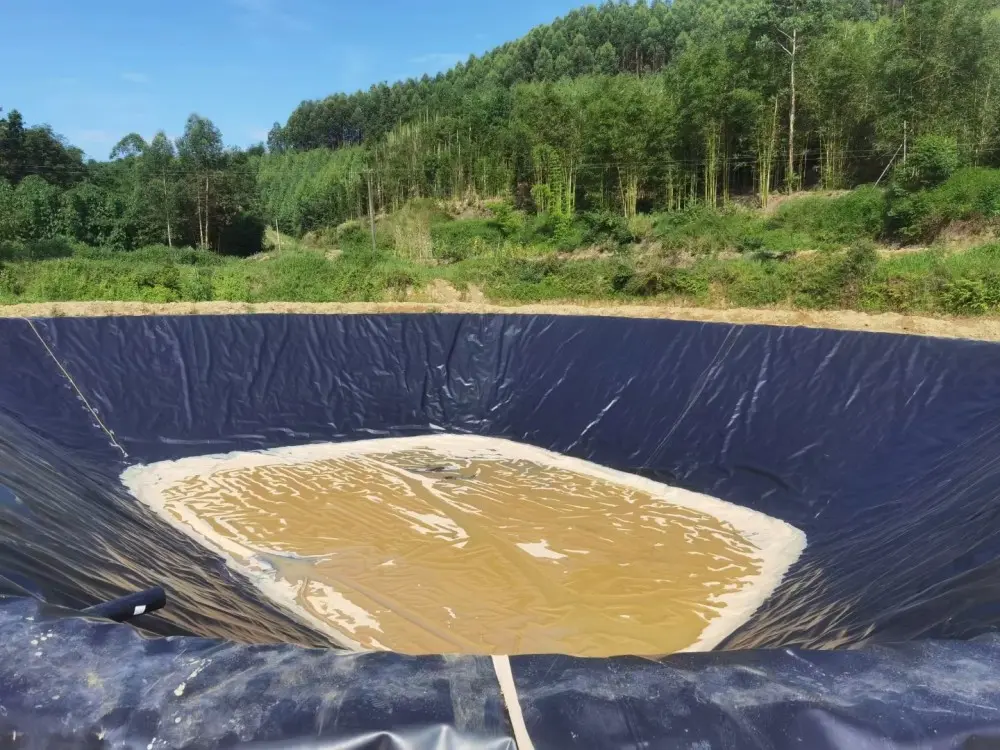
During the construction of geomembrane, improper operation by manual or mechanical means can cause damage and leave pores at the seams. During the construction process, uneven settlement of the foundation, shortening deformation, mechanical damage, chemical corrosion and other reasons can all lead to leakage of the rock and soil subgrade.
The integrity test of geomembrane selects a high-voltage pulse power supply. Through the power supply, an electric potential is applied to the upper and lower sides of the geomembrane, and two power supplies are fixed. There are fixed and mobile facilities in the upper detection area of the geomembrane. The fixed position remains unchanged. Before the scale of the detection guess, avoid the leakage formed by the weld seam at that time affecting the detection of the surface of the high-density polyethylene film. During the measurement process, a high-voltage pulse is applied to the power supply to measure the potential difference between the fixed and the moving parts, and the potential difference is recorded until all measurement points have been measured.
Due to the electrical insulation property of geomembrane, when it is in good condition, there is no or only a small amount of current passing through the power supply circuit, and the potential difference is evenly distributed throughout the entire area. When there is a hole in the geomembrane, the membrane insulation at the hole position will be damaged, and the current will pass through the hole, thereby distorting the potential difference at that position. Therefore, the leakage hole can be located.