
Knowledge related to geomembrane
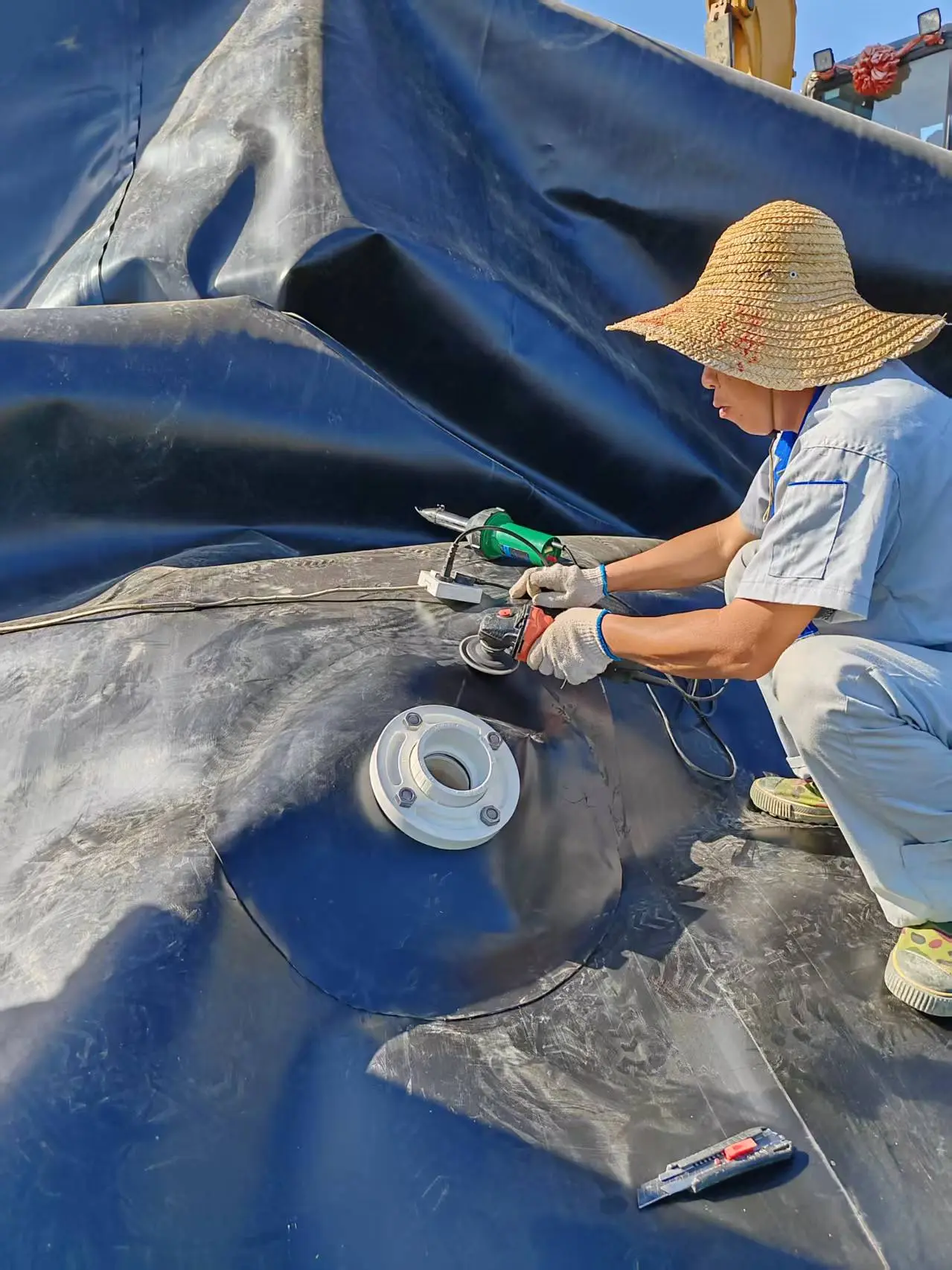
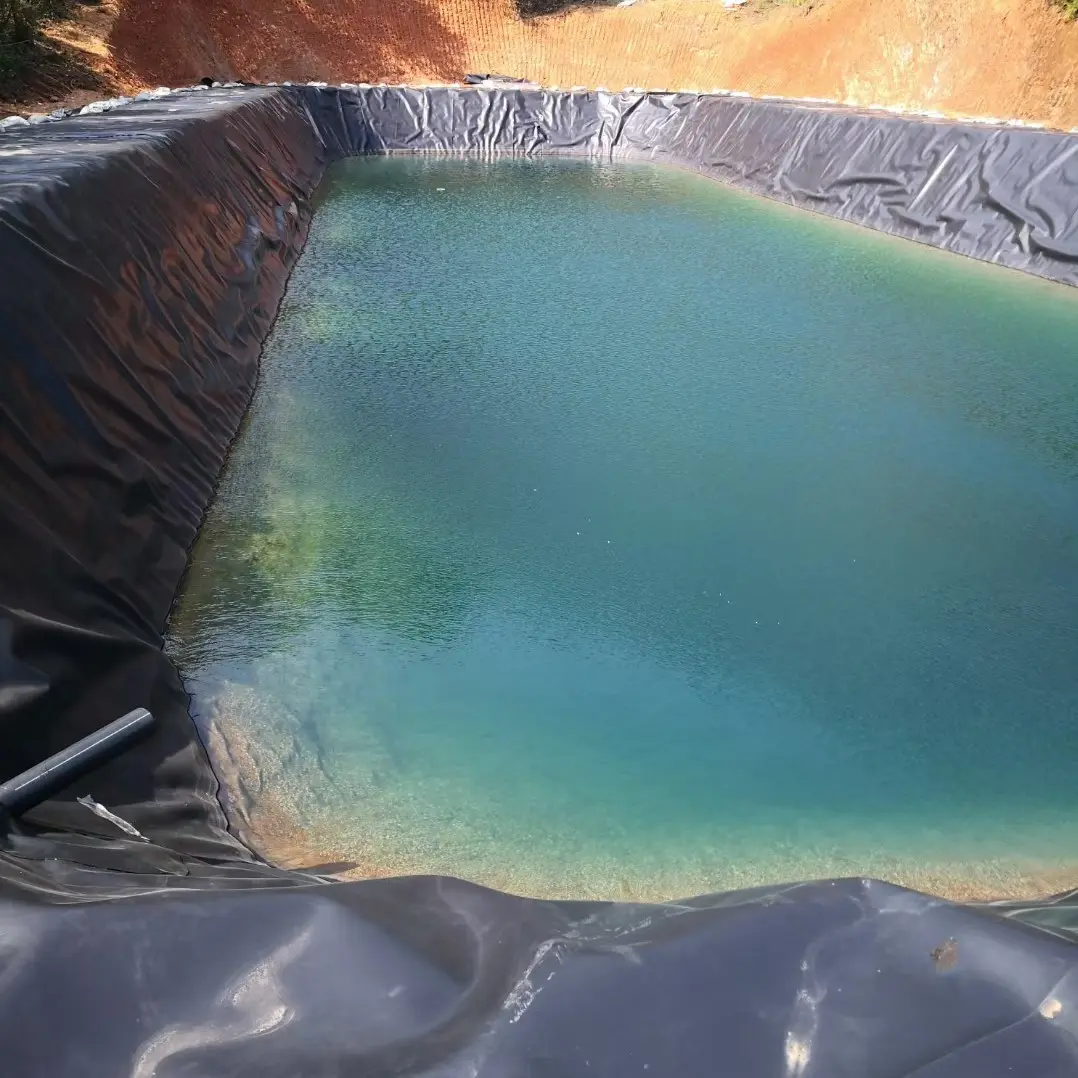
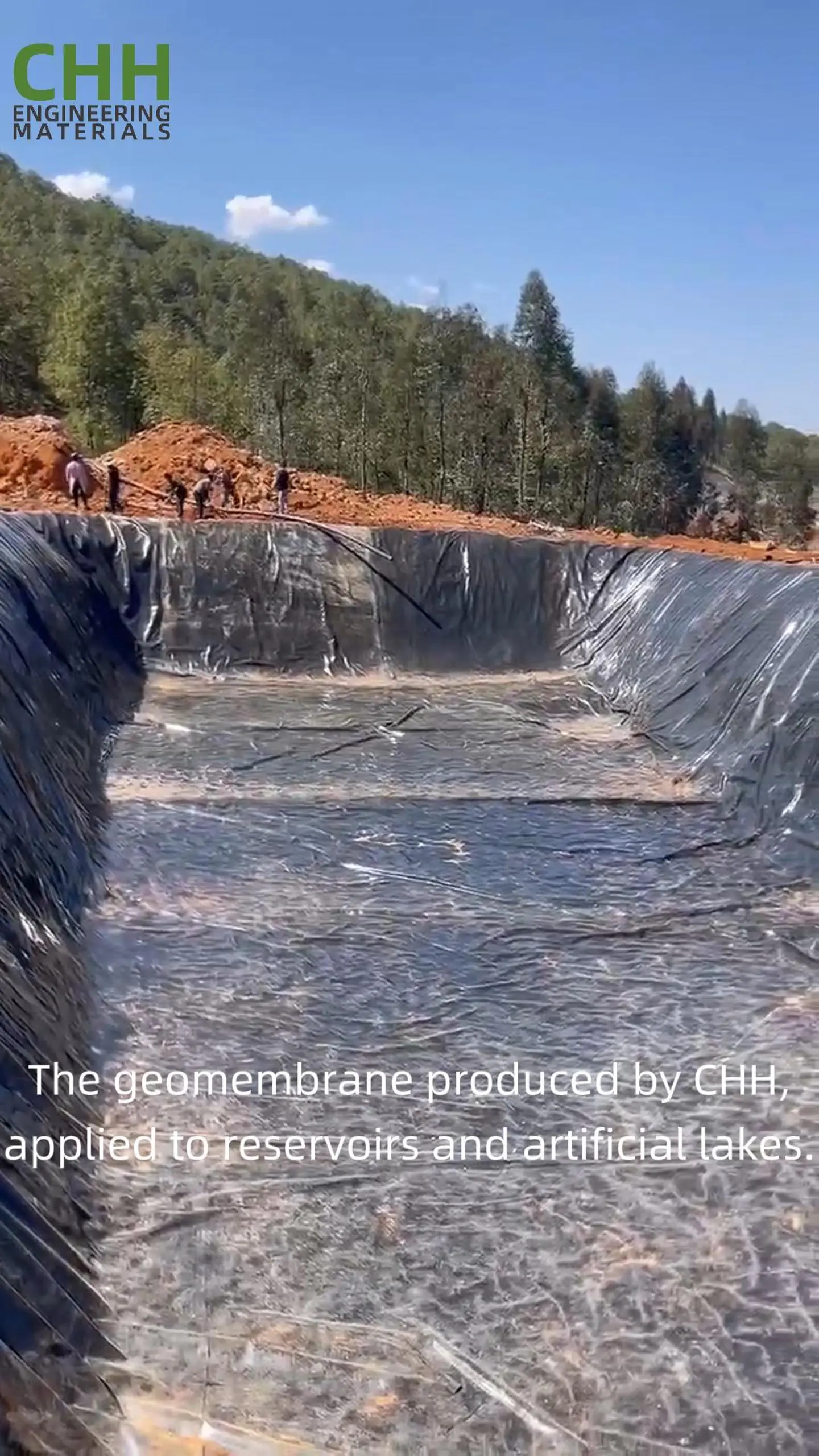
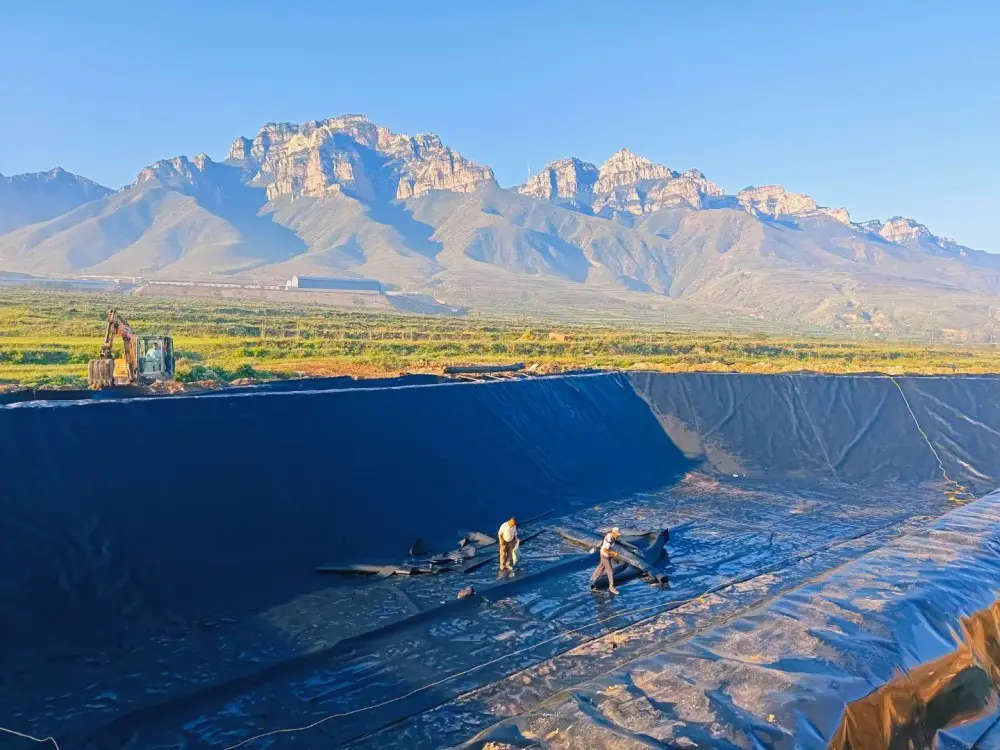
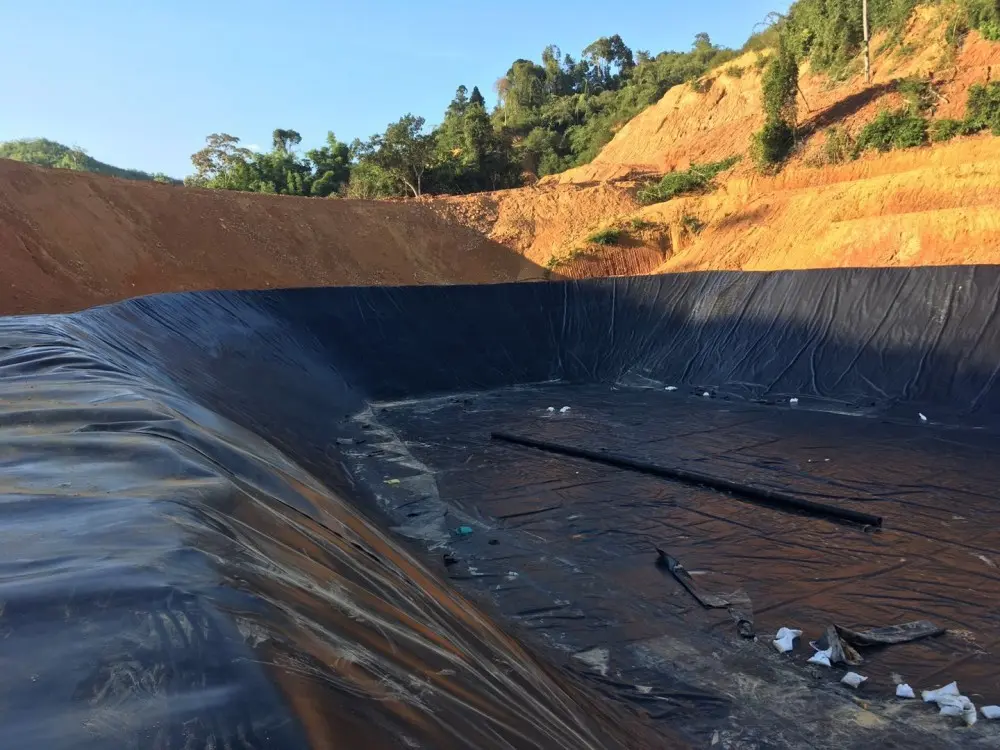
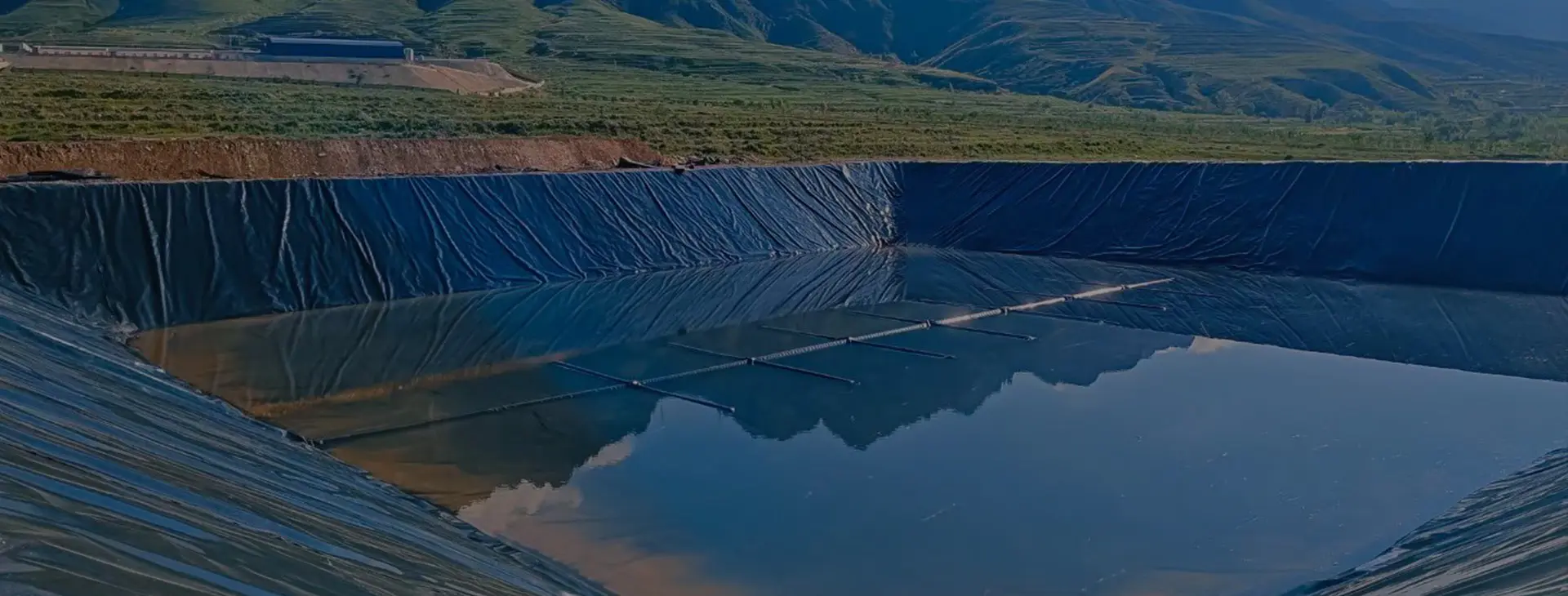
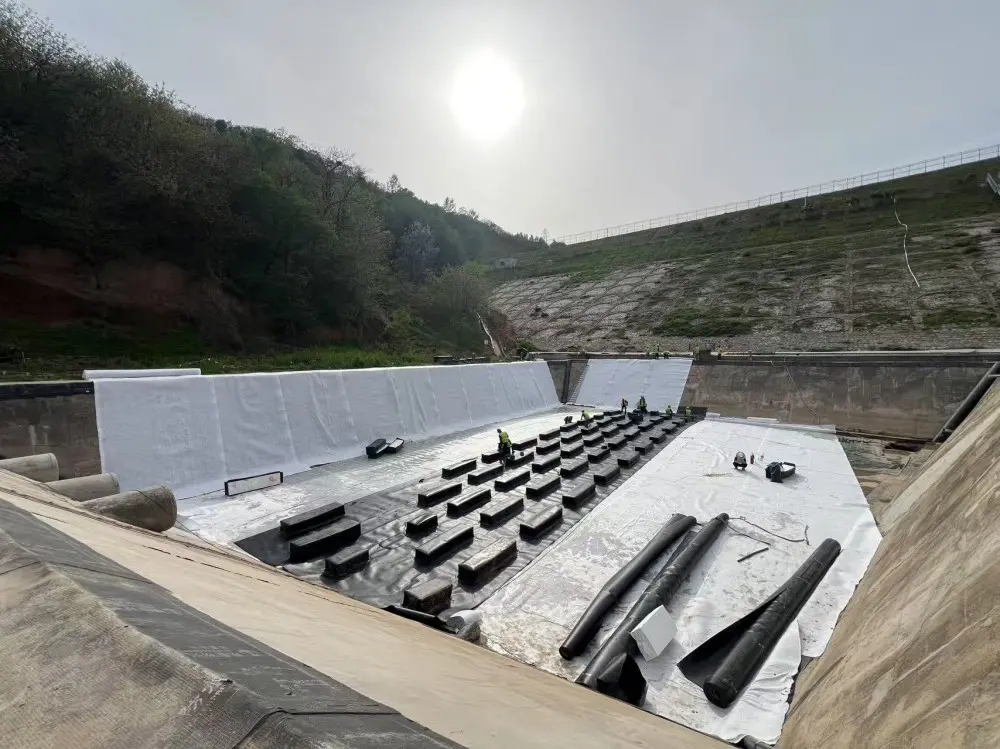
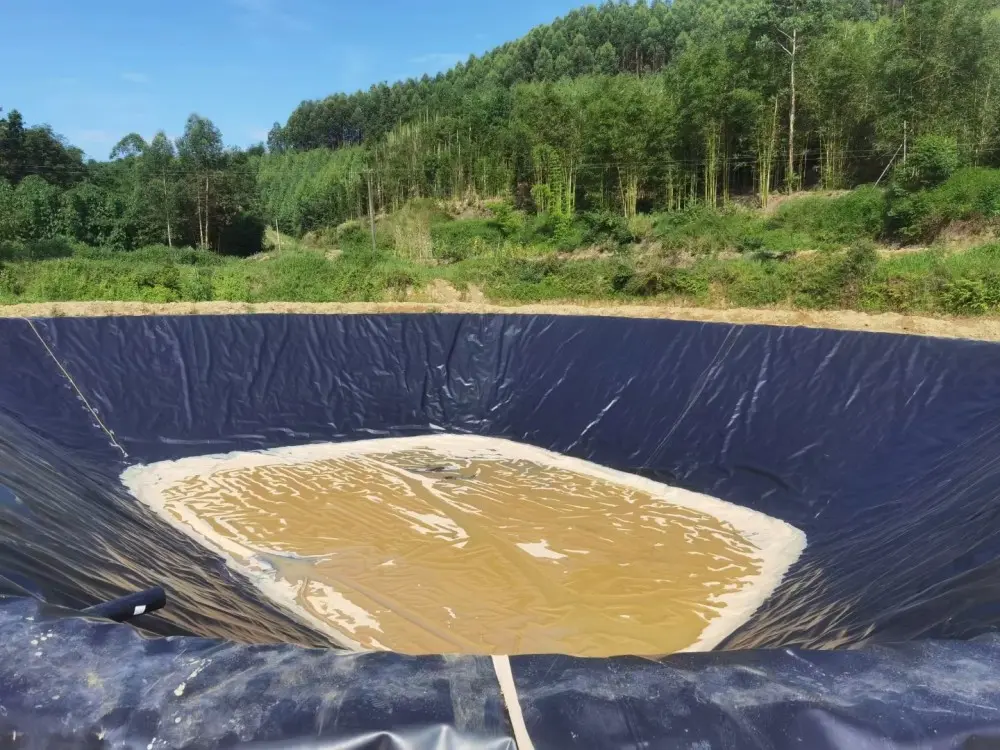
First of all, let's understand what geomembrane is, its application scope, structure and manufacturing technology: Geomembrane has the functions of anti-seepage and barrier, so it is also called anti-seepage membrane and is widely used in water conservancy embankments, highways, railways, airports, tunnels, chemical and mining industries, landfill sites and other fields. Hdpe Geomembrane is a type of geomembrane made from common high-density polyethylene.
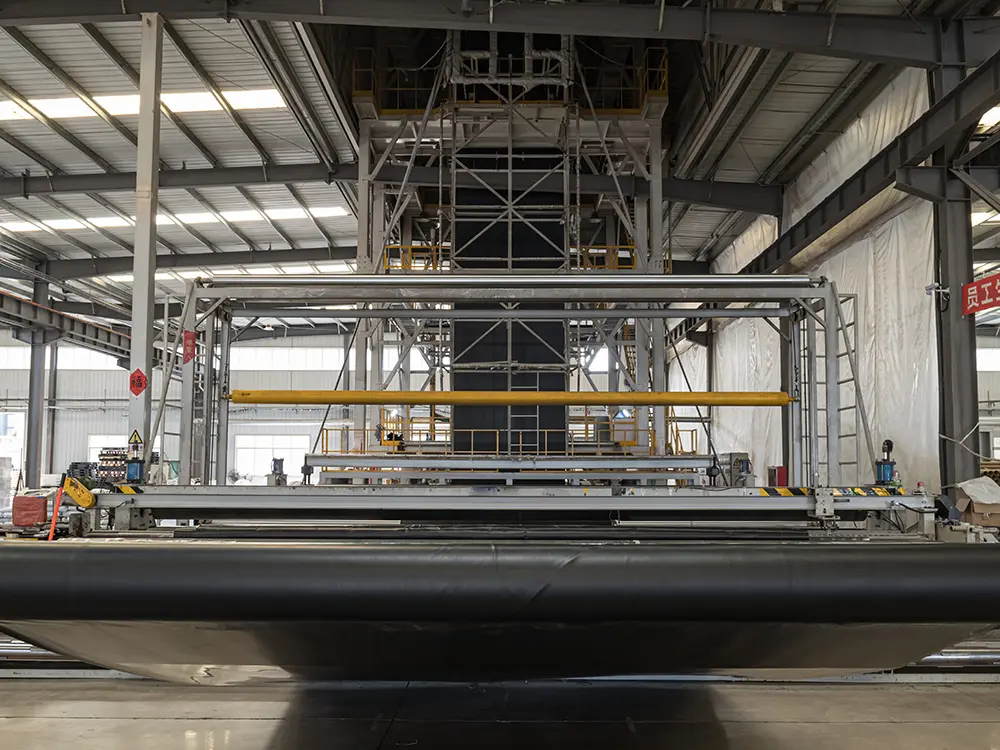
Geomembrane is made from plastic particles (PE) as raw materials. They are mixed and dried in a mixing dryer, then extruded by a screw into a circular funnel. The material is melted and plasticized under high temperature and high pressure in the barrel. Under the molten state of the membrane head, it is extruded and stretched in a streamlined shape. After being cooled by a calendering and cooling circulation system, a smooth surface is rolled out by a steel roller, and then stretched and trimmed to form the shape. It can also be compounded onto non-woven fabric, woven fabric and other base materials at the same time as the film head is extruded to make composite geomembrane.
The thickness specification of geomembrane is 0.1 to 3.0mm, and the width is 2 to 10 meters. Geomembrane is a kind of geotechnical material, which has the characteristics of corrosion resistance, acid and alkali resistance, oxidation resistance and UV resistance.