2026 How to Use Needled Filament Geotextile in Construction Projects?
In recent years, the use of Needled Filament Geotextile has gained attention in construction projects. This innovative material is engineered for strength and versatility. It plays a crucial role in soil stabilization, drainage, and erosion control. Many construction professionals are now exploring its benefits.
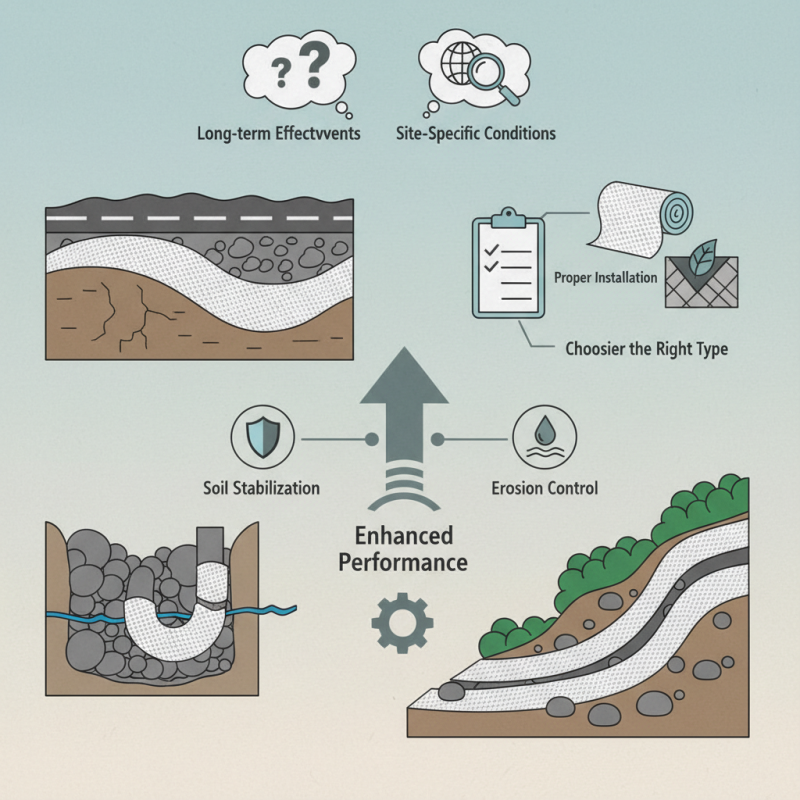
Needled Filament Geotextile can enhance the performance of various building applications. For instance, it is often used in road construction, providing a reliable barrier against soil movement. This ensures the durability of the road surface over time. Yet, while its advantages are clear, some questions arise about its long-term effectiveness. Implementing it requires careful consideration and proper installation techniques.
Choosing the right type of Needled Filament Geotextile is essential. Not all projects benefit equally from this material. Sometimes, contractors may overlook site-specific conditions that affect performance. It's crucial to assess environmental factors before application. By reflecting on these aspects, construction teams can maximize the advantages of this geotextile solution.
Introduction to Needled Filament Geotextile
Needled filament geotextile is a vital material in modern construction. It consists of synthetic fibers that are needled together. This creates a robust and durable textile. It serves various functions, including separation, filtration, and reinforcement in soil applications. Using this material can greatly enhance the stability of structures.
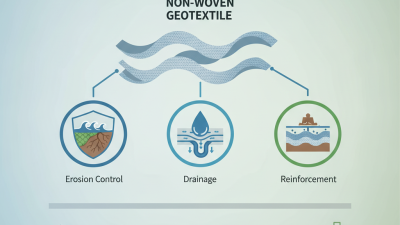
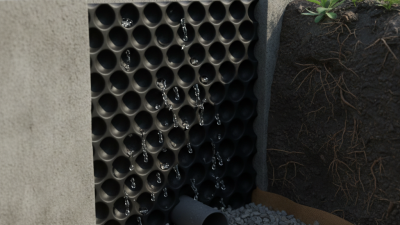
Construction projects often face challenges like soil erosion and poor drainage. Needled filament geotextile can help mitigate these issues. It allows water to pass through while preventing soil particles from washing away. This textile's unique structure provides an effective barrier but may require careful installation. Improper placement can lead to failures, highlighting the need for skilled workers.
In addition to its erosion control properties, this geotextile supports load distribution. It is widely used in unpaved surfaces, like roads and parking lots. However, selecting the right type of geotextile is crucial. Not all projects require the same specifications. Each site presents unique challenges that must be evaluated. It’s important to consider the local soil conditions and the project’s specific demands.
Key Properties and Benefits of Needled Filament Geotextile
Needled filament geotextile has gained popularity in modern construction due to its impressive features. One of its key properties is durability. This material can withstand various environmental conditions. It resists tearing and elongation, making it ideal for heavy-duty applications. Professionals often use it in soil stabilization projects, where strength is critical.
Another significant benefit is its permeability. Needled filament geotextile allows water to flow while filtering out soil particles. This prevents erosion in drainage systems and roads. The lightweight nature of this geotextile makes it easy to handle during installation. However, improper installation can lead to issues. It's essential to ensure proper layering and overlap in applications.
In addition to these attributes, needled filament geotextile is also cost-effective. It serves multiple functions, reducing the need for additional materials. Despite these advantages, caution is necessary. Assessing site conditions is crucial before use. Mistakes can lead to reduced effectiveness. Proper training and adherence to guidelines can mitigate these risks.
Preparation and Installation Process in Construction Projects
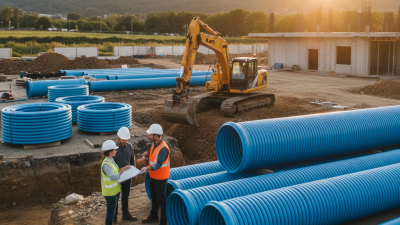
Needled filament geotextile plays a crucial role in construction projects. It is essential to prepare properly for its use. Begin by assessing the site conditions. Check the soil type and moisture levels. Understanding the environment helps in proper installation.
During installation, always ensure that the geotextile lies flat. Avoid any wrinkles or folds, as they can affect performance. Think about the required overlap between pieces. A minimum overlap of 12 inches is often recommended. This creates a seamless and strong barrier.
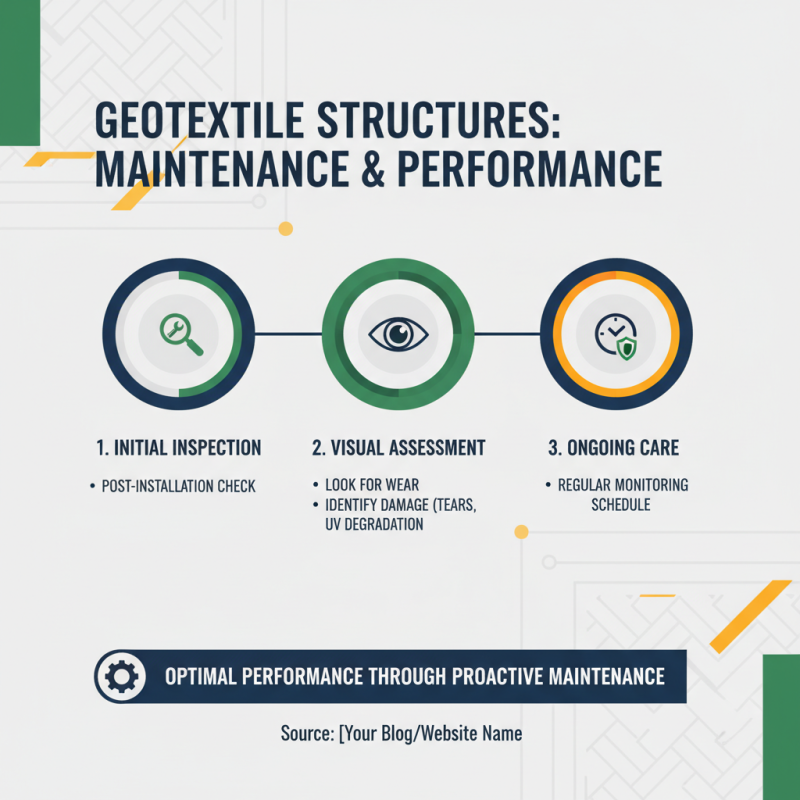
Tips: Clear debris from the surface before placing geotextiles. This prevents punctures and damage. Also, test the geotextile's strength. A weak section can lead to project failures. After installation, monitor the geotextile. Look for signs of wear, especially in high-traffic areas. Adjustments may be needed over time to ensure long-term effectiveness.
Applications of Needled Filament Geotextile in Various Sectors
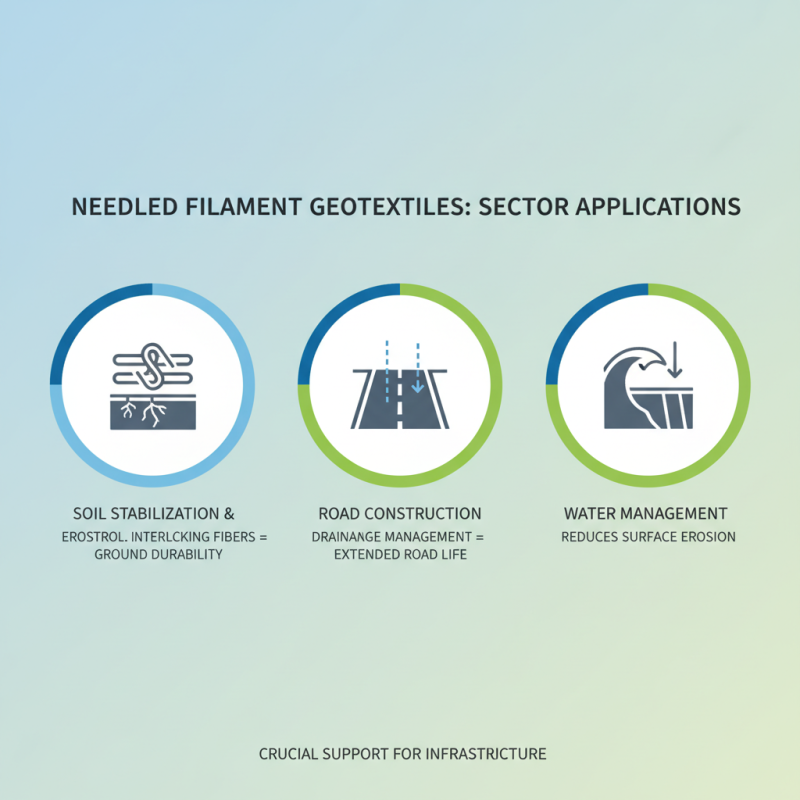
Needled filament geotextiles play a crucial role in various construction sectors. These materials offer support in soil stabilization and erosion control. The fibers interlock to create a strong fabric, ideal for enhancing ground durability. In road construction, they help manage drainage effectively. Water management reduces the risk of surface erosion and prolongs road life.
In landscaping, needled geotextiles are valuable for slope stabilization. They prevent soil loss and promote vegetation growth. Similarly, in landfill projects, these geotextiles assist in covering waste. They act as a barrier, reducing leachate and gas emissions. However, not all projects may see immediate benefits.
Healthcare facilities also utilize these geotextiles. They ensure proper waste management through containment solutions. It’s essential to assess local soil conditions before application. In some cases, they might not perform as expected. Reflection on specific project needs can lead to better outcomes.