In recent years, the demand for Flexible Soft Permeable Pipe has surged, driven by an increasing focus on sustainable development and efficient water management solutions. According to a report from the Global Pipe Market Analysis, the sector is projected to experience a compound annual growth rate (CAGR) of 5.6% from 2022 to 2030, highlighting the critical role of innovative piping systems in various industries. Experts emphasize that selecting the right type of piping can significantly impact the efficiency and longevity of a project.
Dr. Emily Carter, a renowned expert in hydraulic engineering, states, “The implementation of Flexible Soft Permeable Pipe not only enhances drainage performance but also promotes environmental sustainability.” Her insights underline the importance of choosing the appropriate piping solution, especially in applications that require flexibility and permeability. As project managers and engineers navigate the complexities of modern construction and infrastructure projects, understanding the fundamental aspects of Flexible Soft Permeable Pipe becomes essential. This article outlines the top ten tips for selecting suitable piping options, ensuring that your project meets both functional and ecological standards.

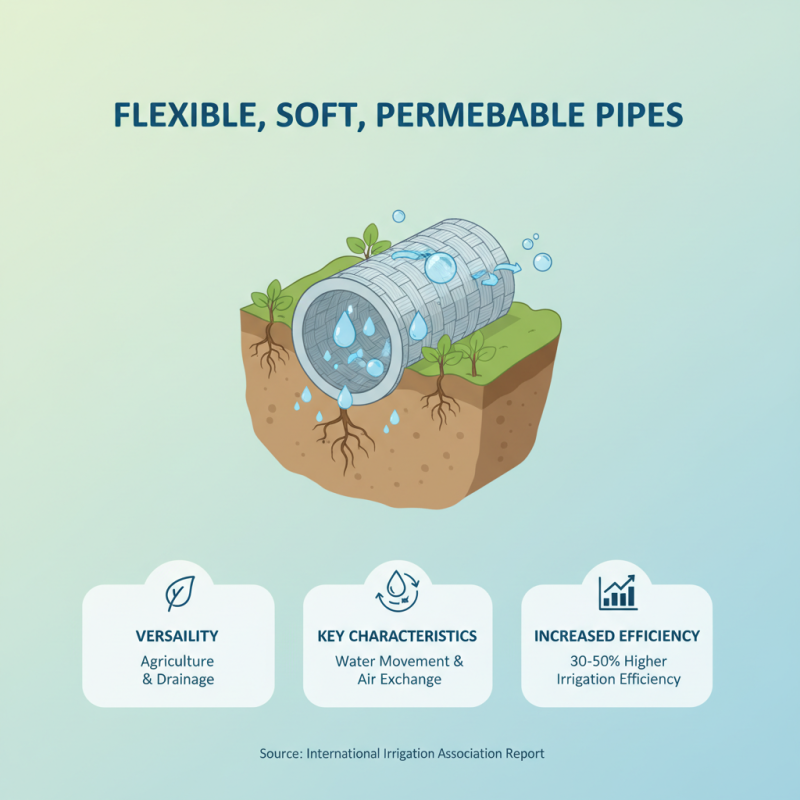
Flexible soft permeable pipes are increasingly recognized for their versatility and effectiveness in various applications, particularly in agriculture and drainage systems. Understanding their fundamental characteristics is crucial to making informed choices when selecting the right pipes for your project. These pipes are designed to allow the movement of water while facilitating air exchange with the surrounding soil, a feature that promotes healthier plant growth and prevents waterlogging. According to a report by the International Irrigation Association, utilizing permeable pipes can increase irrigation efficiency by 30% to 50%, highlighting their significance in sustainable resource management.
When exploring flexible soft permeable pipes, it is essential to consider their material composition, flexibility, and diameter, as these factors can significantly influence their performance. Industry studies suggest that high-density polyethylene (HDPE) is the most commonly used material due to its durability and resistance to environmental factors. Furthermore, the pipe's flexibility allows for easier installation around obstacles and uneven terrain, making them an ideal choice for diverse landscapes. According to data from the American Society of Civil Engineers, improper selection of pipe size can result in a 40% increase in maintenance costs over time, underlining the importance of thorough research before procurement.
When selecting flexible soft permeable pipes for your project, it is crucial to consider several key characteristics that can significantly impact performance and longevity. First, the material composition is fundamental; look for options made of high-quality polymers that provide a combination of flexibility and resilience. This will ensure the pipe can adapt to various environmental conditions without cracking or losing integrity. Additionally, gauge the permeability rates to ensure that the pipe can efficiently handle water drainage and support the necessary airflow, which is essential for applications like landscaping and agricultural irrigation.
Another important factor is the pipe's design and structural stability. A well-designed flexible soft permeable pipe will feature fewer joints and seams, minimizing potential failure points. Look for pipes with reinforcements or unique geometries that prevent deformation under pressure and maintain their shape over time. Furthermore, consider the pipe's resistance to common environmental factors such as UV rays, chemical exposure, and temperature variations, as these can influence the pipe’s durability and overall performance. Ensuring these characteristics align with your project requirements will lead to successful and efficient outcomes.
When selecting flexible soft permeable pipe for your project, evaluating the material options is crucial for ensuring durability and performance. Various materials offer different levels of resistance to environmental factors such as UV rays, chemicals, and temperature fluctuations. Opt for materials specifically engineered for flexibility while maintaining strength; these qualities can prevent cracking and ensure longevity, especially in dynamic applications.
Remember that not all pipes are created equal. When assessing your choices, consider the pipe's permeability features which can impact fluid transfer efficiency. A more permeable material may allow for better drainage and aeration, making it ideal for agricultural or landscaping projects. Additionally, pay attention to the installation requirements and compatibility with existing systems, ensuring that the chosen material can seamlessly integrate without compromising overall performance.
Lastly, prioritize materials that have proven track records in similar applications. Researching the experiences of others can provide valuable insights into how well different options perform under stress and over time. Carefully considering these factors will lead to a more informed decision, resulting in a functional and durable solution tailored to your specific needs.
When selecting flexible soft permeable pipe for your project, it’s essential to assess the installation requirements and the specific flexibility needs that will contribute to a successful outcome. One of the first considerations is the environment in which the pipe will be installed. Factors such as soil conditions, moisture levels, and temperature variations can greatly influence the type of flexible pipe you should choose. For example, areas with heavy clay soils may necessitate more flexibility in the pipe to accommodate shifting ground without compromising structural integrity.
Another important tip is to evaluate the intended use of the pipe. Depending on whether it is for drainage, irrigation, or another application, the flexibility required may vary significantly. Pipes designed for drainage may need to adapt more readily to changing water levels, while those for irrigation systems must withstand pressure variations. Ensuring that the pipe can bend and conform to the installation site will help prevent future maintenance issues.
When planning the installation, pay attention to the recommended bending radius of the pipe. A well-defined bending radius can prevent kinks and blockages, leading to a more efficient system overall. Also, considering factors such as accessibility during installation and long-term maintenance can help guide your choice, ensuring that the flexible soft permeable pipe not only fits the project requirements but also performs optimally throughout its lifespan.
| Tip Number | Tip Description | Flexibility Needs | Installation Requirements |
|---|---|---|---|
| 1 | Assess the environmental conditions. | High flexibility required in varying temperatures. | Ensure compatibility with soil types. |
| 2 | Determine the pipe diameter needed. | Moderate flexibility to accommodate flow. | Check local regulations on pipe sizes. |
| 3 | Evaluate installation area accessibility. | High flexibility for compact spaces. | Prepare tools for tight spaces. |
| 4 | Consider long-term maintenance needs. | Low flexibility for stable installations. | Plan for ease of access for inspections. |
| 5 | Research pipe durability and materials. | Moderate flexibility based on material strength. | Material should withstand soil pressure. |
| 6 | Check for local installation codes. | Standard flexibility according to regulations. | Follow local construction guidelines. |
| 7 | Assess the flow rate needs of the project. | High flexibility to manage varying flow rates. | Install for potential flow adjustments. |
| 8 | Identify the pipe's lifespan expectations. | Low flexibility for long-term stability. | Consider warranties and lifespan estimates. |
| 9 | Consult with installation experts. | Varied flexibility based on expertise. | Get professional assessment before installation. |
| 10 | Compare costs and performance. | Flexibility in budget constraints. | Ensure cost aligns with installation techniques. |
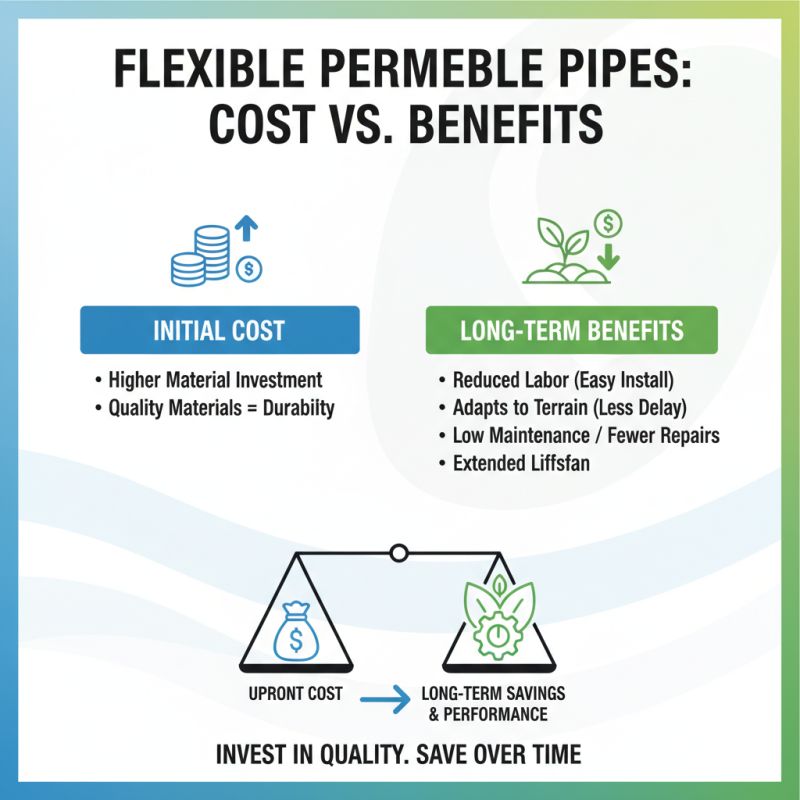
When considering the installation of flexible soft permeable pipes for your project, it’s essential to conduct a thorough analysis of the cost versus benefits tailored to your specific needs. The initial investment in high-quality materials may be higher, but the long-term savings through durability and low maintenance can outweigh these upfront costs. Flexible pipes offer the advantage of easy installation and adaptability to various terrains, which can reduce labor costs and time delays in the project timeline. Weighing these factors against cheaper alternatives reveals that investing in quality can lead to fewer replacements and repairs over time.
Additionally, flexibility in design is an important benefit that should not be overlooked. Projects with unique layouts or challenging landscapes can particularly benefit from soft permeable pipes, which can easily navigate around obstacles and fit into unconventional spaces. This adaptability not only enhances the efficiency of your project but can also lead to more effective water management solutions. By making informed choices that prioritize both functionality and cost-effectiveness, you ensure that the materials selected align well with the overall goals and requirements of your project.