How to Install Drain Tile Plastic for Effective Drainage Solutions?
Effective drainage solutions are essential for managing water runoff and preventing soil erosion. The use of Drain Tile Plastic has gained attention from industry leaders for its efficiency. According to a recent report, improper drainage can lead to over 30% crop loss in agricultural areas. This statistic emphasizes the necessity of reliable drainage systems.
Expert John Smith, a well-known figure in the drainage field, states, “Using high-quality Drain Tile Plastic can drastically improve soil drainage and crop yield.” This highlights the importance of choosing the right materials.
However, not all installations are flawless. Many projects face challenges, such as improper slope adjustments or material degradation. Addressing these issues upfront can make a significant difference. As the industry evolves, it becomes vital to invest in quality materials and expert guidance for effective drainage solutions.
Understanding Drain Tile and Its Importance in Drainage Solutions
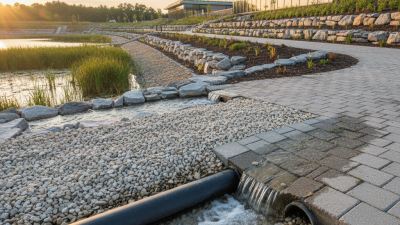
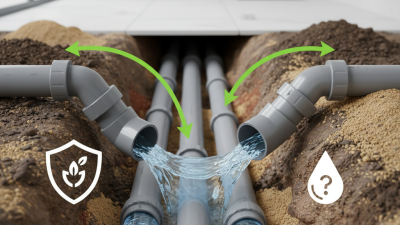
Drain tile is an essential component of effective drainage solutions. It consists of perforated pipes installed underground to mitigate water accumulation. Understanding its importance can significantly enhance property health. According to a report from the American Society of Civil Engineers, nearly 80% of urban runoff can be effectively managed with proper drainage systems, like drain tiles.
Many homeowners underestimate the impact of soil saturation. Excess water can lead to foundation damage, mold, and even landscape erosion. Research shows that properties with proper drainage experience fewer maintenance costs—up to 50% less in some cases. Yet, improper installation poses challenges. Common mistakes include incorrect slope or inadequate filter material, which can reduce effectiveness.
Additionally, awareness about regional water table levels is crucial. Not all areas benefit equally from drain tile systems. A 2022 study indicated that in regions with high groundwater levels, traditional drain tiles may require supplementary measures for optimal performance. Recognizing local conditions can prevent costly repairs later. Effective drainage solutions are not just installations; they require planning, understanding, and sometimes, re-evaluation.
Drain Tile Installation: Key Components and Their Importance
This chart illustrates the importance level of various components involved in installing drain tile for an effective drainage solution. Each component is rated on a scale from 1 to 10, showcasing their significance in the overall drainage system.
Selecting the Right Materials for Drain Tile Installation
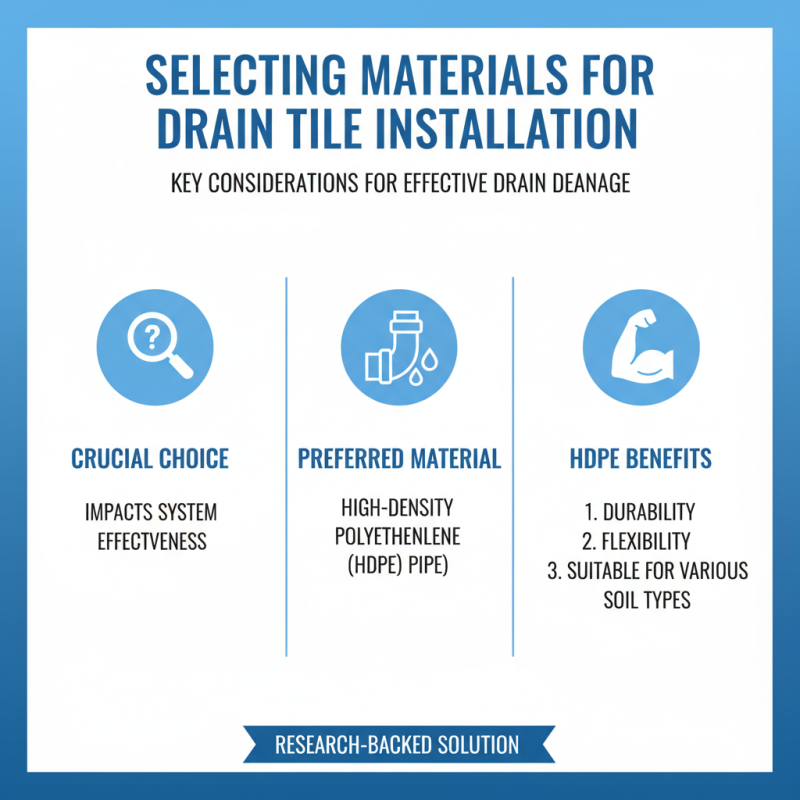
When considering drain tile installation, choosing the right materials is crucial. The materials you select ultimately impact the effectiveness of your drainage system. Research indicates that high-density polyethylene (HDPE) pipe systems are widely preferred. These systems boast excellent durability and flexibility, making them suitable for various soil types.
Tips: Always check for local regulations on materials. Compliance matters.
Another option includes perforated PVC pipes, which facilitate superior water flow. Popular reports suggest that these pipes, when paired with gravel, ensure reliable drainage. However, one must consider their susceptibility to clogging without proper maintenance. It's essential to weigh these factors carefully.
Tips: Regular inspection for clogs is vital. Prevention saves money.
Ultimately, the right material choice influences the long-term performance of your drainage solution. Each option carries its pros and cons. Make informed decisions based on your specific soil conditions and climate. A thoughtful approach today leads to better outcomes tomorrow.
Step-by-Step Guide to Preparing the Site for Drain Tile
Preparing the site for drain tile installation requires careful planning. Start by assessing the landscape. Look for low spots where water tends to pool. This is crucial for effective drainage. Mark the area where you plan to lay the tiles. This gives you a clear view of your project and avoids confusion later.
Next, clear the site of any debris. Remove rocks, branches, and grass. A clean surface allows for better installation. Take your time measuring the depth needed for the trench. It’s essential for proper water flow. Aim for a slope of 1% for effective drainage. Yet, don’t rush this step. An uneven slope can lead to pooling.
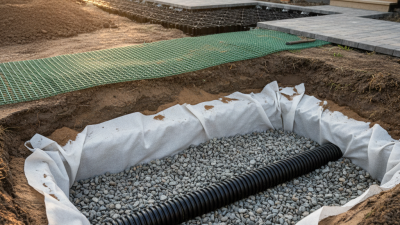
After digging, it’s wise to lay gravel at the bottom. This helps with drainage and prevents sediment from clogging the tiles. Remember, installation isn’t a perfect process. Mistakes happen. Regularly check your work as you go. Adjust if necessary. This will ensure a more efficient drainage solution in the long run.
Installing Drain Tile: Techniques for Effective Water Management
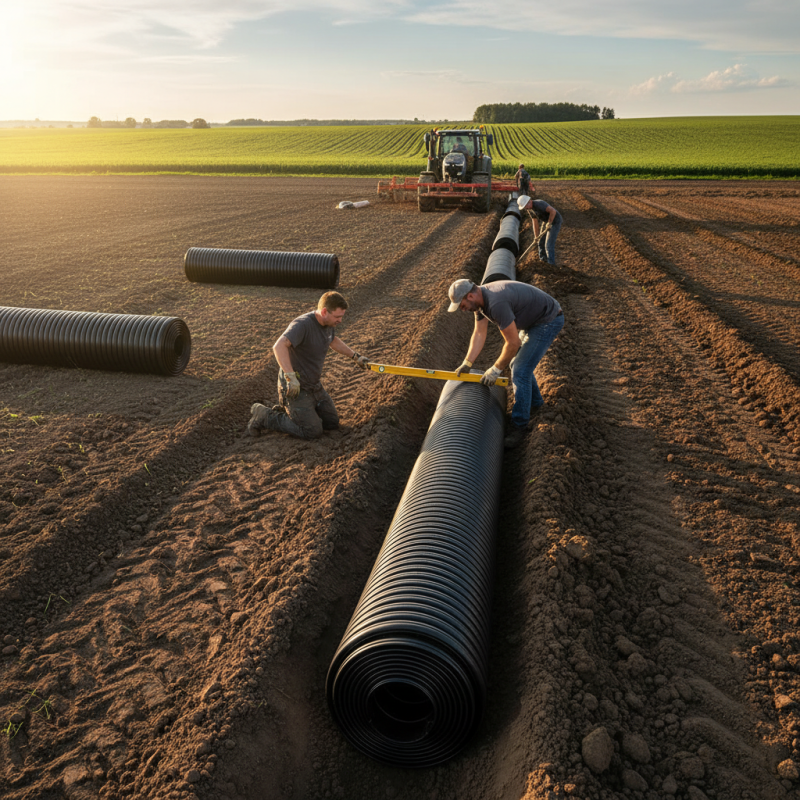
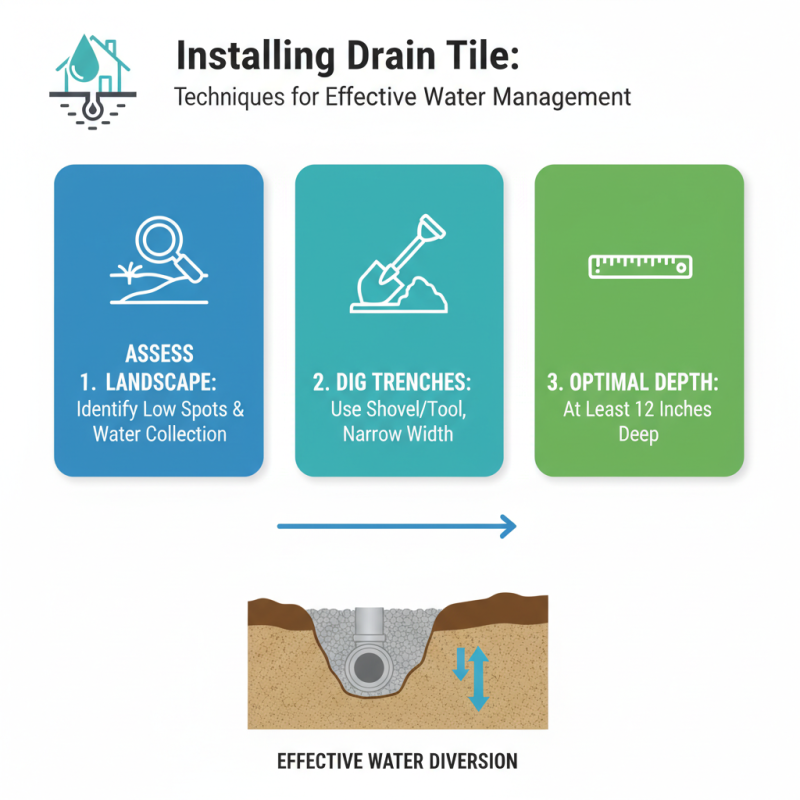
When installing drain tile, effective water management is key. Start by assessing your property's landscape. Look for low spots where water tends to collect. A shovel or trenching tool will help dig narrow trenches suitable for the drain tile. The depth of the trench matters. Ideally, it should be at least 12 inches deep.
Once the trenches are ready, layer gravel at the bottom. This base supports the drain tile while allowing water to flow freely. Lay the drain tile on top of the gravel, ensuring the holes face down. This positioning helps prevent clogging from dirt and debris. Backfill with more gravel, but save some soil for later.
In some cases, the system may not function as expected. Monitor the performance after heavy rains. If you notice pooling, consider adjusting the depth or angle of your tiles. Water management is a learning process. Keep track of how well your installation works and be willing to make changes if necessary. Experimentation leads to improved techniques.
Maintaining and Inspecting Drain Tile Systems for Longevity
Maintaining and inspecting drain tile systems is crucial for their effectiveness and longevity. Regular checks can prevent costly repairs. According to a recent industry report, nearly 22% of drainage systems fail due to poor maintenance. This emphasizes the need for routine inspections.
Inspecting drain tiles involves checking for blockages, leaks, and signs of degradation. Homeowners should clear away debris and foliage around access points. They should also monitor water flow and check for pooling. Inspections should happen at least twice a year. Neglecting these tasks can lead to significant water accumulation in basements or landscapes.
Additionally, understanding the materials used in drain tile systems helps in their upkeep. Plastic tiles tend to be durable, but even they are not immune to wear. A 2019 study indicated that 30% of plastic drain tiles showed signs of cracking within 15 years. Homeowners must be vigilant and proactive. Regular maintenance ensures systems work efficiently and last longer.