How to Use Geo Geocell for Effective Soil Stabilization and Erosion Control
In the quest for sustainable development and environmental protection, effective soil stabilization and erosion control have become critical components of modern engineering. According to Dr. Emily Hart, a leading expert in civil engineering and soil mechanics, “The integration of innovative materials, such as Geo Geocell, is revolutionizing the way we approach soil stabilization and prevent erosion.” Geo Geocell systems provide a unique solution by creating a cellular confinement structure that enhances the performance of the soil, effectively distributing loads and reducing erosion risks.
As global environmental challenges intensify, the application of Geo Geocell technology becomes increasingly relevant. Utilizing it not only strengthens the ground but also supports vegetation growth, providing a dual benefit in construction and landscaping projects. The versatility of Geo Geocell materials allows for their deployment in various terrains and climates, making them an ideal choice for projects ranging from road construction to steep slope stabilization. In this article, we will explore practical methods for leveraging Geo Geocell to achieve effective soil stabilization and erosion control, highlighting its advantages and innovative applications in the field.
Understanding Geo Geocell: Definition and Applications
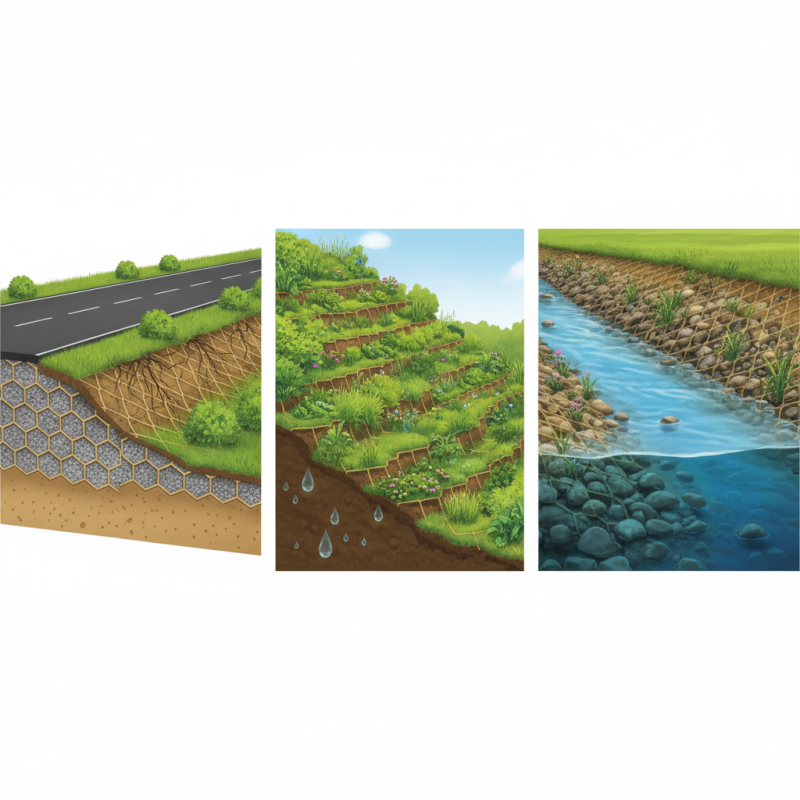
Geo geocell is a three-dimensional structure made of high-density polyethylene (HDPE) or other synthetic materials, designed to provide enhanced soil stabilization and erosion control. Its unique cellular design allows for the confinement of soil and aggregate materials, effectively reducing lateral movement and increasing load-bearing capacity. This innovative solution is widely used in various applications, from road and railway construction to slope protection and landscaping projects, making it a versatile choice for engineers and construction professionals.
The primary application of geo geocell lies in its ability to improve soil stability in weak or unstable ground. By creating a flexible and durable mattress, it redistributes loads over a larger area, minimizing the risk of soil failure. In erosion control, geo geocell systems can be filled with soil or vegetation, promoting plant growth and reinforcing the soil structure. This not only helps in preventing erosion but also enhances the aesthetic appeal of the project area. Overall, the use of geo geocell offers an efficient and eco-friendly solution to address soil-related challenges in various construction and environmental contexts.
Impact of Geo Geocell on Soil Stability and Erosion Control
This bar chart illustrates the advantages of using Geo Geocell in soil stabilization and erosion control, highlighting key metrics such as soil stability improvement, erosion control effectiveness, cost efficiency, and ease of installation.
The Science Behind Soil Stabilization and Erosion Control
Soil stabilization and erosion control are critical concerns in civil engineering and environmental management, particularly in areas prone to heavy rainfall and land movement. The science behind these processes involves understanding soil mechanics and the interactions between soil particles and external forces. According to a report by the Federal Highway Administration, approximately 75% of all construction projects face issues related to soil erosion, leading to increased costs and potential delays. Effective soil stabilization techniques reduce the risk of erosion by enhancing the soil's structure, making it more resistant to water runoff and mechanical disturbance.
Geo geocells represent an innovative solution in this field. By creating a three-dimensional cellular structure that confines and reinforces the soil, they provide significant improvements in load-bearing capacity and overall soil strength. Research conducted by the Geosynthetic Institute reveals that geo geocells can increase the shear strength of soils by up to 30%, depending on the type of soil and environmental conditions. This enhancement is particularly beneficial in areas that experience frequent erosion or where steep slopes are present. By utilizing this technology, engineers can better manage soil stability, thereby reducing the environmental impact of construction projects and minimizing repair costs associated with erosion damage.
Installation Process of Geo Geocell for Optimal Performance
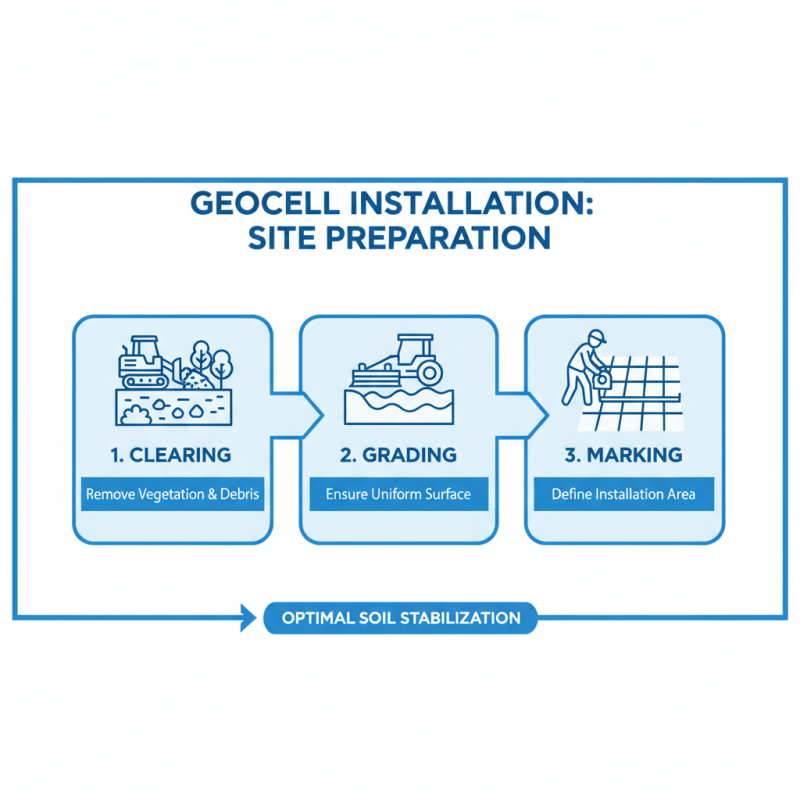
The installation process of geo geocell is crucial for achieving optimal performance in soil stabilization and erosion control. First, site preparation is essential to ensure the stability and effectiveness of the geo geocell system. This involves clearing the area of vegetation, debris, and other obstructions. A proper grading of the surface also helps in achieving uniformity, allowing the geo geocell to be laid down smoothly. Marking out the installation area according to the project specifications will ensure accuracy in dimensions and coverage.
Once the site is prepared, the geo geocell panels can be unfolded and positioned on the ground. It is vital to securely anchor the edges of each panel to prevent displacement during installation and in the face of environmental forces. Depending on the specific design, the panels may be filled with appropriate materials such as soil, gravel, or vegetative fill to enhance their functionality. Adequate compaction of the fill material is necessary to maximize load-bearing capacity and ensure that the geo geocell structure behaves as intended under stress. Finally, regular inspections and maintenance after installation will preserve the integrity of the system and contribute to long-term efficacy in controlling soil erosion.
Advantages of Using Geo Geocell in Civil Engineering Projects
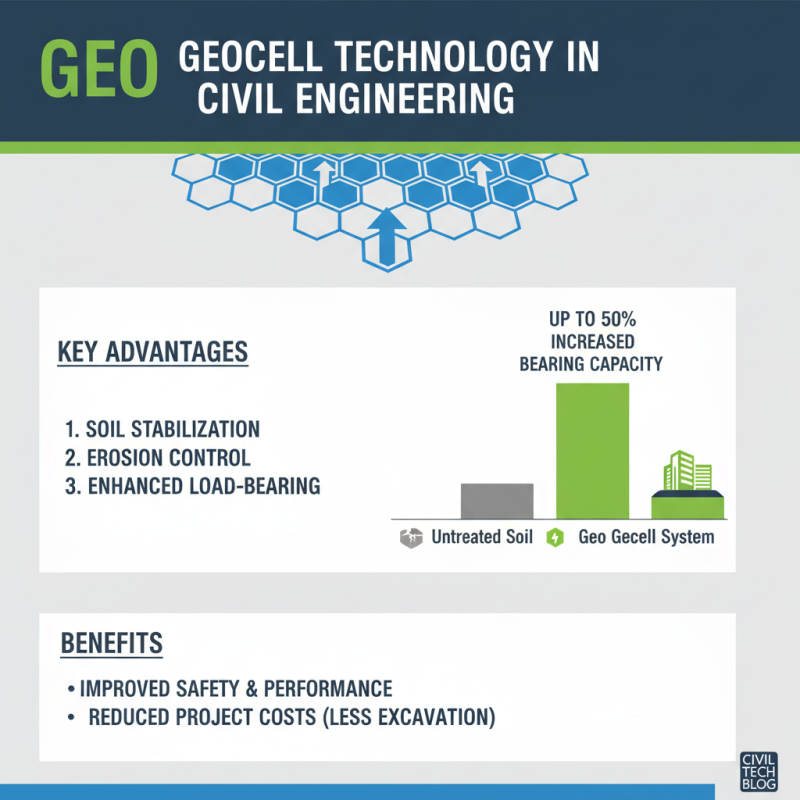
The use of Geo Geocell technology in civil engineering projects presents numerous advantages, particularly in soil stabilization and erosion control. Geo Geocell systems enhance the load-bearing capacity of soil, making them ideal for areas with weak soil conditions. According to a report by the Transportation Research Board, soil reinforcement methods can increase bearing capacity by up to 50%, significantly improving the performance of structures built on marginal land. This not only enhances safety but also reduces project costs by minimizing the need for extensive excavation and grading.
Moreover, Geo Geocells provide excellent drainage, mitigating water accumulation that often leads to erosion. The University of California's studies show that effective erosion control reduces sedimentation in waterways by as much as 90%, promoting environmental sustainability. The cellular structure of Geocells confines soil and aggregates, preventing lateral movement while allowing for vegetation growth within the cells, which further aids in stabilizing slopes and enhancing aesthetics.
**Tips:** When selecting Geo Geocell systems for a project, consider soil type and local climate conditions to ensure optimal performance. Additionally, integrating proper vegetation management can enhance the effectiveness of the system and provide years of sustainable erosion control. Always consult local guidelines to comply with environmental standards for best practices in installation.
Maintenance and Long-Term Performance Considerations for Geo Geocell
When implementing geo geocell systems for soil stabilization and erosion control, maintenance and long-term performance are critical factors to consider. Regular inspection of the geocell structure is essential to identify any signs of wear or displacement caused by environmental factors such as water movement, freeze-thaw cycles, or heavy traffic loads. By conducting these inspections, prompt actions can be taken to address any issues before they compromise the integrity of the stabilization system.
Tips for maintaining geo geocell effectiveness include ensuring proper drainage around the installation site. Poor drainage can lead to excessive water pooling, which may undermine the stability of the geocell and the underlying soil. Additionally, it's advisable to monitor vegetation growth within and surrounding the geocell. While plants can help stabilize soil, invasive species can disrupt the balance and should be managed promptly.
Another aspect to consider for long-term performance involves the periodic reinforcement of the geocell system. As time progresses, soil compaction and natural settling may occur, necessitating the infill material to be replenished. Keeping up with this maintenance not only extends the lifespan of the geocell but also ensures that it continues to provide effective soil stability and erosion control.
How to Use Geo Geocell for Effective Soil Stabilization and Erosion Control - Maintenance and Long-Term Performance Considerations for Geo Geocell
| Key Considerations |
Details |
| Soil Type |
Clay, Sand, Loam |
| Installation Method |
Excavation, Grading, Layering |
| Expected Lifespan |
10-30 years based on material quality |
| Maintenance Requirements |
Regular inspections, Vegetation Management |
| Erosion Control Benefits |
Reduces soil loss, Enhances vegetation growth |
| Load-Bearing Capacity |
Increases load distribution across the surface |
| Environmental Impact |
Minimizes erosion, Promotes natural habitats |