10 Essential Tips for Working with High Density Polyethylene in Projects
High Density Polyethylene (HDPE) is a versatile material in various projects. Known for its durability, it is widely used in construction, packaging, and engineering. However, working with HDPE comes with its own set of challenges. Understanding these intricacies is vital for ensuring project success.
Proper techniques can prevent costly mistakes. For instance, when preparing surfaces for bonding, attention to detail is crucial. Poor surface preparation can lead to weak joints. Additionally, temperature plays a significant role in HDPE processing. Working in unsuitable conditions may affect the final product.
Moreover, selecting the right tools is essential. Not all tools suit HDPE; using the wrong ones can result in damage. These factors highlight the need for careful planning. Each project involves unique conditions and challenges. Success with HDPE requires reflection and adaptation. Embracing these tips can enhance your project's durability and efficiency.
Understanding High Density Polyethylene: Properties and Applications
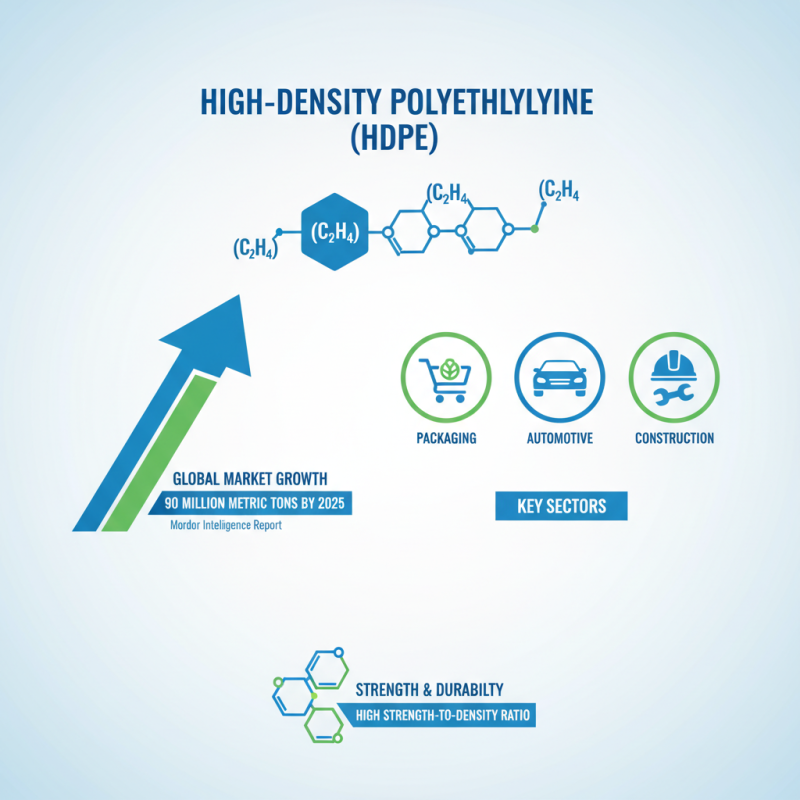
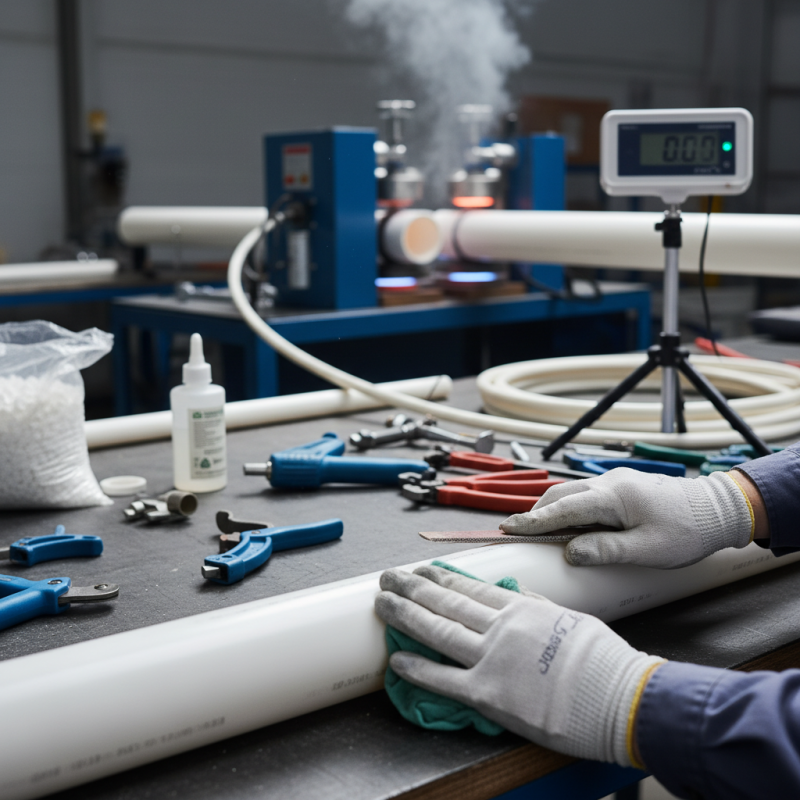
High-density polyethylene (HDPE) is a versatile thermoplastic known for its strength and durability. It features a high strength-to-density ratio, making it ideal for various applications. According to a report by Mordor Intelligence, the global HDPE market is projected to reach approximately 90 million metric tons by 2025. This growth signals the increasing reliance on HDPE in packaging, automotive, and construction sectors.
Applications of HDPE span from pipes to containers. In infrastructure, HDPE pipes offer resistance to corrosion and chemical exposure. They have become popular for water delivery systems. Yet, while HDPE is resistant to many chemicals, it can be vulnerable to stress fractures under certain environmental conditions. This is a crucial factor to consider in long-term projects.
Working with HDPE requires careful handling. The material can be challenging to bond due to its low surface energy. Sometimes, efforts to recycle HDPE don’t yield the expected results. Contamination during the recycling process can lead to inferior products. It's important to assess material sources and potential contaminants before starting any project. Understanding these nuances can improve project outcomes significantly.
Best Practices for Cutting and Shaping HDPE Materials
When working with high-density polyethylene (HDPE), cutting and shaping techniques can significantly impact your project. HDPE is tough yet flexible, making it a favorite among builders and DIY enthusiasts. To begin with, always use sharp blades when cutting. Dull blades can lead to slippage and uneven edges. Ensure your cutting surface is stable to prevent accidents.
Another practical tip is to use heat for shaping. A heat gun can soften HDPE, allowing for easy bending and forming. However, be cautious; overheating can cause warping. Experiment with small pieces first. It’s better to learn from a mistake on a scrap piece than on your final product.
Lastly, while HDPE is forgiving, precision is key. A slight miscut can alter the entire design. Take your time with measurements and cuts. Don’t rush through the process. Every project has a learning curve, and it’s fine to adapt as you encounter challenges.
10 Essential Tips for Working with High Density Polyethylene in Projects - Best Practices for Cutting and Shaping HDPE Materials
| Tip Number |
Best Practice |
Description |
Tools Required |
| 1 |
Use Proper Cutting Tools |
Utilize saws specifically designed for plastics to achieve clean cuts. |
Band Saw, Circular Saw |
| 2 |
Maintain a Steady Temperature |
Keep HDPE materials at room temperature for optimal processing. |
Thermometer |
| 3 |
Pre-Drill Holes |
Always pre-drill holes to prevent cracking when fastening. |
Drill, Drill Bits |
| 4 |
Smooth Edges After Cutting |
Use a file or sandpaper to smooth any rough edges left after cutting. |
File, Sandpaper |
| 5 |
Use Clamps for Stability |
Clamp down HDPE sheets to prevent movement during cutting. |
Clamps |
| 6 |
Choose the Right Adhesive |
Use adhesives specifically designed for plastic bonding. |
Plastic Adhesives |
| 7 |
Train Your Team |
Ensure all team members are educated on HDPE handling and safety. |
Training Sessions |
| 8 |
Avoid Overheating |
Be careful not to overheat the material while cutting to prevent melting. |
Temperature Control Equipment |
| 9 |
Check for Stress Points |
Identify potential weak spots in the design before assembly. |
Stress Analysis Tools |
| 10 |
Ensure Proper Ventilation |
Work in a well-ventilated area to avoid fumes released during cutting. |
Ventilation System |
Tips for Joining and Welding High Density Polyethylene
When working with high density polyethylene (HDPE), joining and welding techniques are crucial. HDPE is popular in various applications due to its strength and durability. According to a report from the Plastics Industry Association, using proper welding techniques can increase the efficiency of HDPE projects by over 25%. This shows how important skill is in handling this material.
One effective joining method is butt fusion welding. This technique requires precise alignment. However, any misalignment can lead to weak joints. A study found that up to 15% of joints tested failed due to improper alignment. It's essential to monitor the heating process carefully. Overheating can degrade HDPE, causing brittleness.
Another option is electrofusion welding. This method offers consistency and reliability but demands strict adherence to guidelines. Even minor deviations can result in structural weaknesses. Many industry experts suggest conducting regular training for workers. Continuous education can help mitigate risks associated with improper welding techniques and increase overall project success.
Handling and Storage Guidelines for HDPE Projects
When working with high-density polyethylene (HDPE), proper handling and storage are crucial. Store HDPE sheets and rolls in a cool, dry place. Avoid direct sunlight. If exposed to UV rays, HDPE can degrade over time. This weakens its structural integrity.
Ensure that stored items are elevated. Use pallets to prevent moisture damage. Moist environments can lead to mold or mildew. Maintain a clean storage area to avoid contamination from chemicals or debris. When transporting HDPE, be mindful of sharp edges. Protect these edges to prevent cuts or punctures during transit.
HDPE's lightweight nature makes it easy to handle but also poses risks. Workers should wear gloves to avoid slips. Use proper lifting techniques to avoid injury. Ensure everyone involved understands how to handle HDPE safely. Mistakes can happen; regular training can help mitigate risks. Remember that safety comes first. It's essential to stay vigilant throughout every stage of the project.
10 Essential Tips for Working with High Density Polyethylene (HDPE)
Common Mistakes to Avoid When Working with High Density Polyethylene
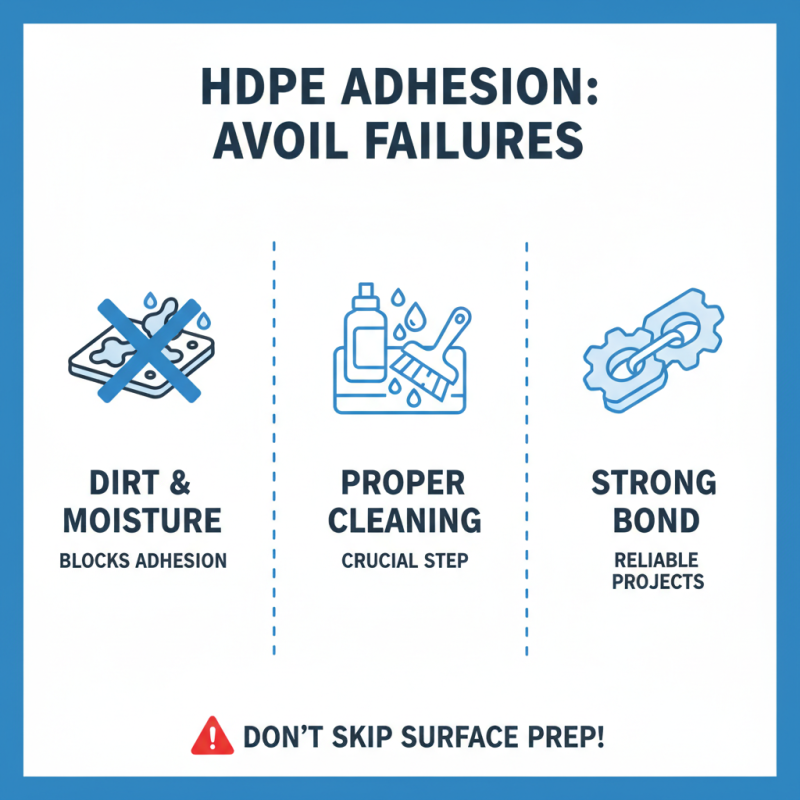
Working with high-density polyethylene (HDPE) can bring many challenges. One common mistake is neglecting proper surface preparation. Cleaning the HDPE surface thoroughly is crucial. Dirt or moisture can interfere with adhesion. If you skip this step, your project may face unexpected failures.
Another issue is incorrect temperature control. HDPE is sensitive to temperature. If you work in extreme conditions, you might weaken the material. This can lead to cracks or bends. Always check the manufacturer's recommendations for optimal working temperatures. Many overlook this detail, thinking it won't matter, but it does.
Improper tooling is also a frequent mistake. The wrong tools can create unnecessary stress on the HDPE. Imagine using blades that are too dull; this can warp the material instead of cutting it cleanly. Reflecting on these aspects can save time and effort in the long run. Each project is unique, and learning from past experiences is key.