What is Earthwork Film and Its Impact on Modern Construction Techniques
The advent of Earthwork Film has revolutionized modern construction techniques, providing solutions that enhance efficiency and sustainability. This innovative technology exemplifies the integration of advanced materials and engineering methods, resulting in safer and more efficient construction practices. According to the Construction Industry Institute, incorporating Earthwork Film into project workflows can reduce material costs by up to 20% while significantly minimizing waste and environmental impact.
Dr. Emily Carter, an expert in construction materials, states, "The implementation of Earthwork Film not only streamlines the construction process but also promotes eco-friendliness, enabling projects to meet contemporary sustainability standards." The rising demand for rapid construction coupled with stringent environmental regulations has propelled the adoption of Earthwork Film in various civil engineering projects. As industry reports indicate, the global market for Earthwork Film is projected to grow at a CAGR of 8% over the next five years, reflecting its critical role in shaping the future of construction.
In summary, Earthwork Film is not just a trend but a decisive factor in enhancing construction efficiency and sustainability, positioning itself as a cornerstone in modern construction methodologies.

Definition of Earthwork Film and Its Historical Context
Earthwork film, a term that has emerged in the construction sector, refers to the documentation of earthmoving processes through video and visual media. Historically, earthwork has been a crucial aspect of civil engineering and construction, dating back to ancient civilizations that relied on manual labor to reshape the landscape for their architectural projects. The evolution of this practice has been significant, moving from rudimentary methods to the modern-day integration of advanced technology in earth moving and land preparation.
In recent years, data from the Associated General Contractors of America (AGC) has highlighted that approximately 25% of construction projects involve significant earthwork elements, with a projected growth rate of 5% annually. This increasing relevance of earthwork necessitates effective communication and documentation methods, which is where earthwork film plays a pivotal role. By utilizing visual documentation, stakeholders, including project managers and civil engineers, can gain insights into project progress, help monitor compliance with safety regulations, and improve overall efficiency. The historical context of earthwork film underscores its ability to capture and convey the complexities and scale of modern construction, bridging the gap between traditional techniques and contemporary practices.
Key Techniques and Materials Used in Earthwork Film Construction
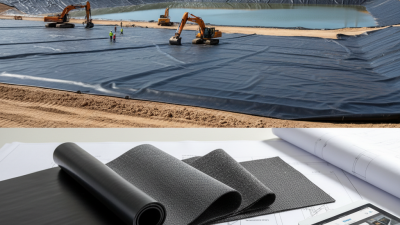
Earthwork film, a crucial element in modern construction, employs several key techniques and materials that enhance efficiency and safety in building processes. One of the primary techniques used in earthwork film construction is the application of geotextiles, which are synthetic fabrics designed to improve soil stability and drainage. These materials provide a separation layer between soil and fill materials, preventing mixing and contamination, which can lead to structural failures. The incorporation of geotextiles not only strengthens the foundation of construction but also aids in controlling erosion and managing groundwater.
Another significant technique is the use of engineered fill materials, such as lightweight aggregates and soil stabilization agents. These materials help reduce the overall load on the foundation and improve the material's properties to withstand environmental changes. Lightweight aggregates can significantly lower the dead weight of structures, enabling builders to create more sustainable designs while minimizing excavation and earth-moving efforts. Furthermore, advanced soil stabilization techniques, including the use of lime or cement, enhance the load-bearing capacity of the earthwork, ensuring durability and resilience in modern construction projects.
The Role of Earthwork Film in Modern Construction Processes
Earthwork films, essential in modern construction processes, function as a critical layer in managing soil and water dynamics within construction sites. By encapsulating the materials used in earthmoving, these films not only aid in preventing erosion but also significantly enhance the stability of the soil. According to a report by the Construction Industry Institute, incorporating earthwork films can improve site safety by reducing soil displacement during adverse weather conditions and significantly minimizing construction delays. This level of stability is increasingly vital, especially as construction shifts toward more sustainable and eco-friendly practices.
In addition to enhancing soil management, earthwork films play a significant role in the optimization of resource use in construction. A study conducted by the International Society of Soil Mechanics and Geotechnical Engineering indicated that projects utilizing advanced earthwork film techniques could achieve up to a 30% reduction in material waste. Furthermore, the application of these films helps to streamline the excavation process, allowing for a more efficient project timeline. By integrating earthwork films into their operations, construction firms are not only adhering to stricter environmental regulations but also driving forward innovations that position them competitively in an ever-evolving industry landscape.
Environmental Impact of Earthwork Film on Building Practices
Earthwork film, a vital aspect of modern construction techniques, plays a significant role in shaping sustainable building practices. Its environmental impact is profound, as it encourages the recycling of soil, minimizes waste, and enhances land restoration efforts. Rather than viewing earthwork as merely a preliminary phase in construction, it is increasingly recognized for its potential to improve ecological harmony. By utilizing techniques showcased in earthwork films, construction professionals can be more conscious of their environmental footprint, leading to smarter site management and resource conservation.
Tips for integrating earthwork practices into construction projects include assessing soil quality and stability early in the design process. This proactive approach can minimize disruptions and ensure that any excavation or grading activities are carried out efficiently. Additionally, contractors should consider implementing erosion control methods, as well as revegetation strategies post-construction, to bolster site sustainability.
Moreover, training team members on the importance of earthwork film techniques can foster a culture of environmental responsibility within construction crews. Organizing workshops can empower workers with knowledge about best practices, thus improving overall project outcomes. Engaging with local communities for input on environmental impacts can also strengthen relationships and enhance the project's social license to operate.
Future Trends and Innovations in Earthwork Film Technology
In recent years, earthwork film technology has seen significant advancements that are revolutionizing modern construction techniques. One of the future trends in this domain is the integration of smart materials into earthwork films, enabling real-time monitoring and management of soil stability and moisture levels. These innovative materials will allow contractors to respond swiftly to changing conditions on-site, enhancing the safety and efficiency of construction projects. The use of such technology not only improves the reliability of earthworks but also minimizes the environmental impact by optimizing resource usage.
Another key trend is the application of digital twin technology in conjunction with earthwork films. By creating a virtual representation of the construction site, project managers can assess and simulate various earthwork scenarios before actual implementation. This foresight can lead to better planning, reduced costs, and fewer delays. Additionally, advancements in drones and remote sensing technologies are set to play a pivotal role in monitoring earthwork projects, allowing for accurate topographical mapping and analysis. As the construction industry continues to adopt these innovations, the future of earthwork films promises increased precision, sustainability, and overall enhancement of construction methodologies.