How to Choose the Best Drainage Materials for Your Project?
Selecting the right drainage materials is crucial for any construction project. Expert Dr. Emily Carter, a leading authority in landscape architecture, emphasizes, "The effectiveness of drainage systems greatly relies on material selection." Understanding how these materials function can significantly influence project outcomes.
Different projects have varying requirements. Some may require robust materials, while others might benefit from lightweight options. Soil type, climate, and intended use all play important roles. It is essential to match drainage materials with specific project needs to avoid costly mistakes later.
Yet, many overlook these details. They might choose based on cost alone. This can lead to inadequate drainage solutions. Reflecting on past projects can reveal essential insights. Choosing the right drainage materials is not just about function; it is about creating sustainable environments.
Understanding the Role of Drainage Materials in Construction Projects
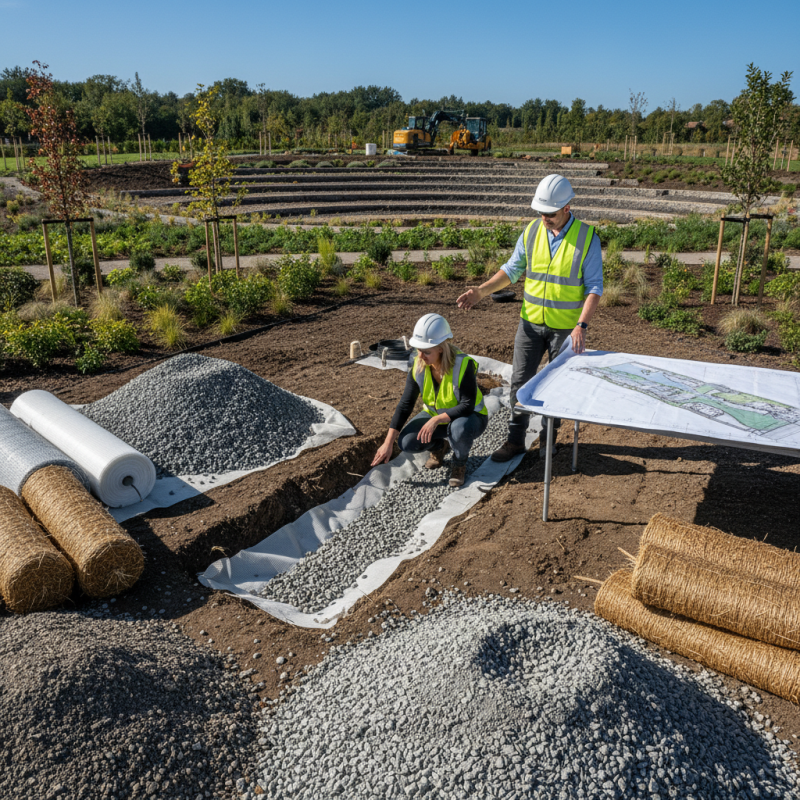
In construction projects, drainage materials are crucial. They ensure water flows away from structures, preventing damage and deterioration. Proper drainage systems protect foundations and landscaping from excess water. Choosing the right materials can greatly impact the overall success of a project.
**Tips:** Consider the type of soil in your area. Clay soils retain water, while sandy soils allow it to drain quickly. You might need different materials for different locations. Don't forget to evaluate local weather patterns. Heavy rains can overwhelm systems not designed for such conditions.
Another aspect is maintenance. Some drainage systems require ongoing care. Grates and filters can clog over time. Regular inspections will help in identifying potential issues early. Remember to think about installation challenges. Complex sites may need more planning and specific materials. Balancing costs with quality is key in making decisions.
Choosing the Best Drainage Materials for Your Project
This bar chart represents the suitability scores of various drainage materials for construction projects. A higher score indicates a better performance in terms of drainage efficiency and durability.
Key Factors to Consider When Selecting Drainage Materials
When selecting drainage materials, several key factors come into play. The soil type in your project area is crucial. Sandy soils drain quickly; clay soils retain water. Understanding the local conditions helps refine your choices. Are you dealing with heavy rainfall or dry spells? This knowledge will influence your material selection.
Consider the intended use of the drainage system. A residential project may require different materials than an industrial site. You must evaluate the cost of materials versus their lifespan. Some cheaper options may lead to more frequent repairs. Think about long-term sustainability as you make your choices. Additionally, consider permeability. Not all materials allow water to flow through easily.
Lastly, don't overlook installation complexity. Some materials are easier to work with than others. A complicated installation may lead to mistakes. Ask yourself: Are you prepared for that? Reflect on your needs and the environment carefully. Make sure every detail aligns with your project goals.
How to Choose the Best Drainage Materials for Your Project? - Key Factors to Consider When Selecting Drainage Materials
| Material Type |
Porosity |
Drainage Capacity (L/min/m2) |
Durability |
Cost ($/m2) |
| Gravel |
High |
30 |
Excellent |
10 |
| Sand |
Medium |
20 |
Good |
8 |
| Perforated Pipe |
Low |
15 |
Very Good |
12 |
| Geotextile Fabric |
High |
25 |
Good |
15 |
| Clay Loam |
Medium |
10 |
Good |
7 |
Comparative Analysis of Common Drainage Material Types
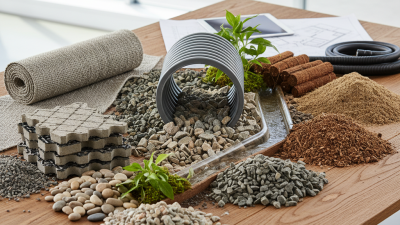
When considering drainage materials, it's important to analyze common types. Gravel is a popular choice due to its excellent drainage capacity. It allows water to flow freely while filtering out larger debris. The various sizes of gravel can impact its effectiveness. Medium-sized gravel works well in many projects, but it can sometimes clog if silt accumulates.
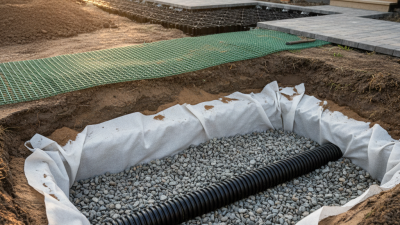
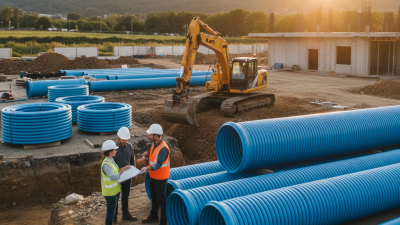
Perforated pipes are another option. These pipes help channel water away from areas needing drainage. They can be installed in trenches or alongside foundations. However, they can become damaged if not installed properly. A poorly placed pipe can lead to pooling.
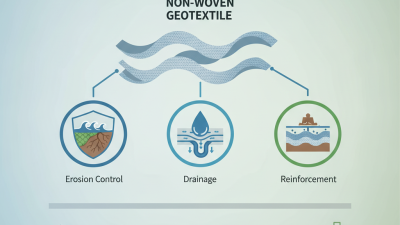
Another viable material is geotextile fabric. This fabric filters water while preventing soil erosion. Its durability can vary, depending on the thickness and weave. Sometimes it may not perform well in heavy clay soils. Soil composition should be evaluated before selecting materials. Each type of drainage material has its strengths and weaknesses. Understanding these can aid in making better decisions for your project.
Industry Standards and Guidelines for Drainage Material Selection
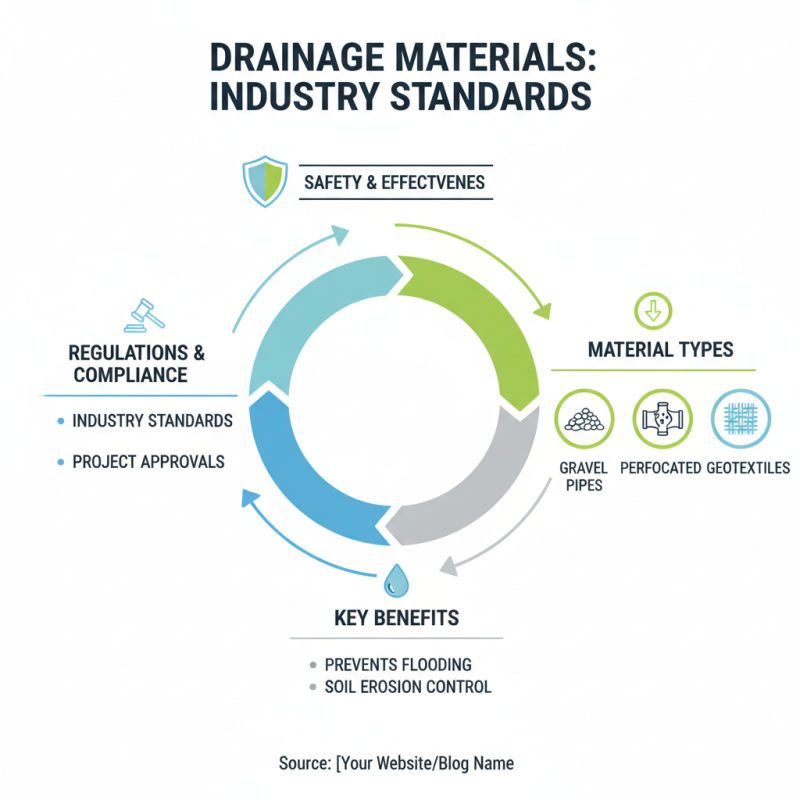
When selecting drainage materials, industry standards play a crucial role. Familiarity with regulations helps ensure that your project meets safety and effectiveness criteria. Various materials, such as gravel, perforated pipes, and geotextiles, each serve specific purposes. Proper selection can prevent flooding and soil erosion.
Tips: Always consider the local climate. Different regions have varying rainfall patterns. This affects the type of drainage material needed. Assess the soil type as well. Sandy soils might require different materials than clayey ones. These factors can complicate your choice, but thorough analysis is essential.
Understand that even industry guidelines may not fit every scenario. Each project has unique challenges. Sometimes, materials that work elsewhere may fail in your situation. Conduct field tests when possible. Anticipate issues and adapt your approach. Learning from past mistakes is invaluable in selecting the right drainage solutions.
Evaluating Cost-Effectiveness and Longevity of Drainage Solutions
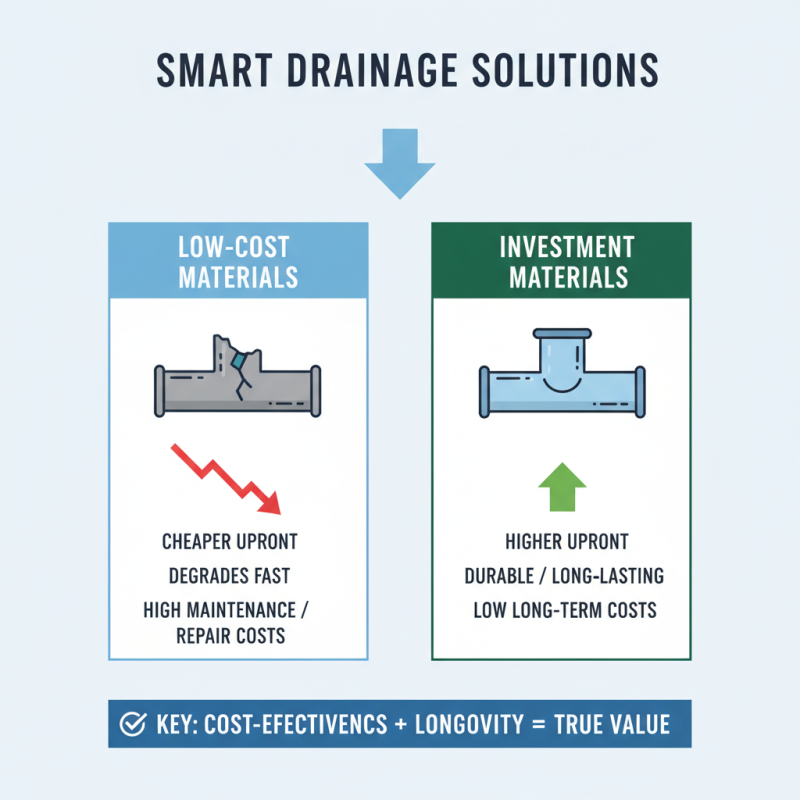
When evaluating drainage materials, cost-effectiveness and longevity are crucial factors. The right drainage solution should not only fit the budget but also endure over time. Low-cost options may seem appealing at first. However, they might lead to higher maintenance costs in the long run. A cheaper material could degrade faster. This could cause issues that are more expensive to fix later.
Consider the environment where the drainage will be installed. High rainfall areas may require more durable materials. Some materials might not hold up well in harsh conditions. A frequent problem is choosing materials that don’t align with specific project demands. This mismatch can lead to premature failure. It’s essential to assess the lifespan of materials. Steel, for example, may rust quickly if not adequately treated. Finding a balance between the initial investment and future savings can be challenging.
Additionally, think about installation costs. More durable materials may require specialized installation techniques. This can push project costs higher. However, materials that last longer could offer peace of mind. This brings up a critical point: sometimes, investing initially in quality may save money in the future. Look closely at each option. Reflect on past experiences with drainage solutions to inform decisions.