Why Choose Pe Geomembrane for Your Next Project?
In the world of construction and environmental management, Pe Geomembrane stands out as a crucial material. Its versatility in applications makes it a go-to choice for many projects. Dr. Emily Carter, a leading expert in geosynthetics, once stated, “Pe Geomembrane offers unmatched durability and flexibility, essential for modern infrastructure.”
Choosing Pe Geomembrane means prioritizing project integrity. It has excellent resistance to chemicals, UV rays, and physical stress, making it ideal for landfills, ponds, and tunnels. These qualities ensure long-term performance and cost-effectiveness. However, some projects may overlook it due to limited knowledge or availability. This gap presents an opportunity for better education and promotion of Pe Geomembrane benefits.
While Pe Geomembrane indeed shines in many scenarios, it may not be the sole solution. Project specifics play a vital role. A lack of understanding can lead to suboptimal choices. Awareness of Pe Geomembrane and its advantages should be emphasized more in industry discussions to foster smarter decision-making.
Benefits of Pe Geomembrane in Environmental Protection Projects
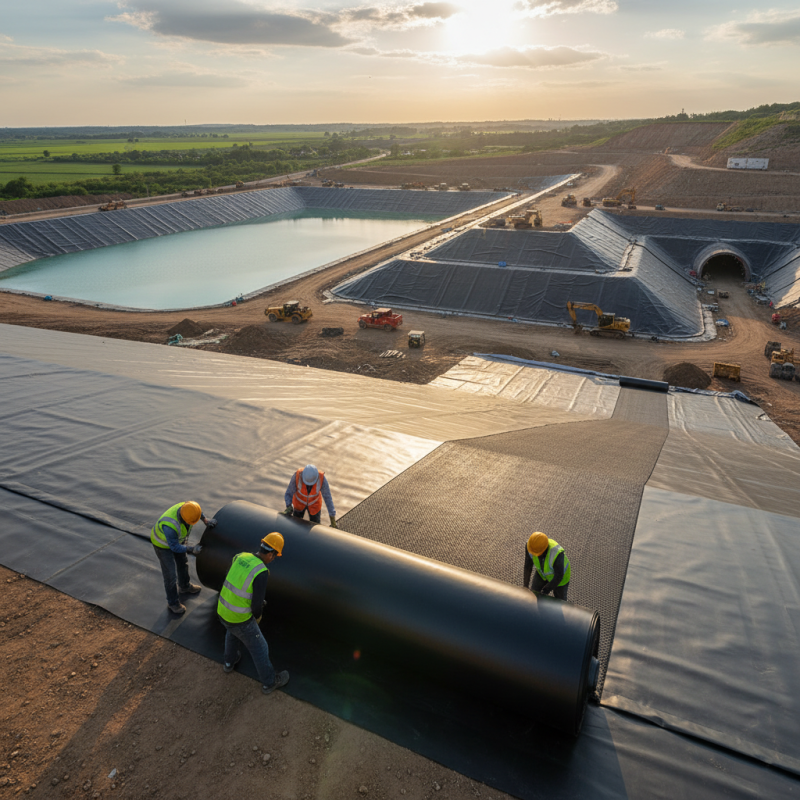
Pe geomembranes are becoming a popular choice for environmental protection projects. Their chemical resistance and durability make them an ideal barrier against pollutants. This technology helps prevent leaks and contamination in landfills, wastewater treatment, and mining sites. Using pe geomembranes can significantly reduce the risk of environmental damage. They offer a reliable solution to keep harmful substances contained.
In many projects, the importance of maintaining soil and water integrity cannot be overstated. Pe geomembranes, with their high tensile strength, can withstand harsh climatic conditions. They are resistant to puncture and tears, providing a long-lasting solution. However, some projects overlook the need for proper installation techniques.
Without careful planning and execution, even the best materials can fail. Regular inspections during and after installation can prevent issues down the line.
Another aspect to consider is the environmental footprint of production. While pe geomembranes provide excellent protection, the manufacturing process may raise concerns. It is essential to evaluate the lifecycle impact. Balancing efficiency with sustainability should always be a priority. Each project offers a chance to learn and improve practices. The goal remains clear: protect the environment while responsibly using our resources.
Durability and Longevity: Key Attributes of Pe Geomembranes
PE geomembranes are gaining popularity due to their impressive durability and longevity. These materials can withstand harsh environmental conditions, such as UV exposure and extreme temperatures. Their robust chemical resistance also makes them suitable for various applications, including landfill lining, aquaculture, and mining operations.
When considering a construction project, long-lasting materials are crucial. PE geomembranes do not easily degrade over time. They stay effective, reducing maintenance costs. However, improper installation can lead to issues, such as leaks. Adequate training and careful attention to detail are vital during this phase.
Many project managers appreciate the versatility of PE geomembranes. They can be tailored to meet specific project needs. This adaptability makes them an attractive choice. Yet, some contractors may overlook potential compatibility issues with other materials. Taking time to evaluate the entire system can yield better outcomes.
Why Choose Pe Geomembrane for Your Next Project? - Durability and Longevity: Key Attributes of Pe Geomembranes
| Attribute |
Description |
Benefits |
| Durability |
PE geomembranes are tough and resistant to punctures and tears. |
Reduces maintenance costs by minimizing repairs and replacements. |
| Longevity |
Designed to last for decades under harsh conditions. |
Long-term performance ensures reliability over time. |
| Chemical Resistance |
Resistant to a wide range of harsh chemicals and environmental factors. |
Increases applicability in diverse and challenging environments. |
| UV Stability |
Engineered to withstand UV degradation. |
Ensures functionality even in long-term outdoor applications. |
| Flexibility |
Highly flexible and can be easily deployed across uneven surfaces. |
Facilitates installation and reduces labor costs. |
Cost-Effectiveness: Analyzing Pe Geomembrane Lifecycle Costs
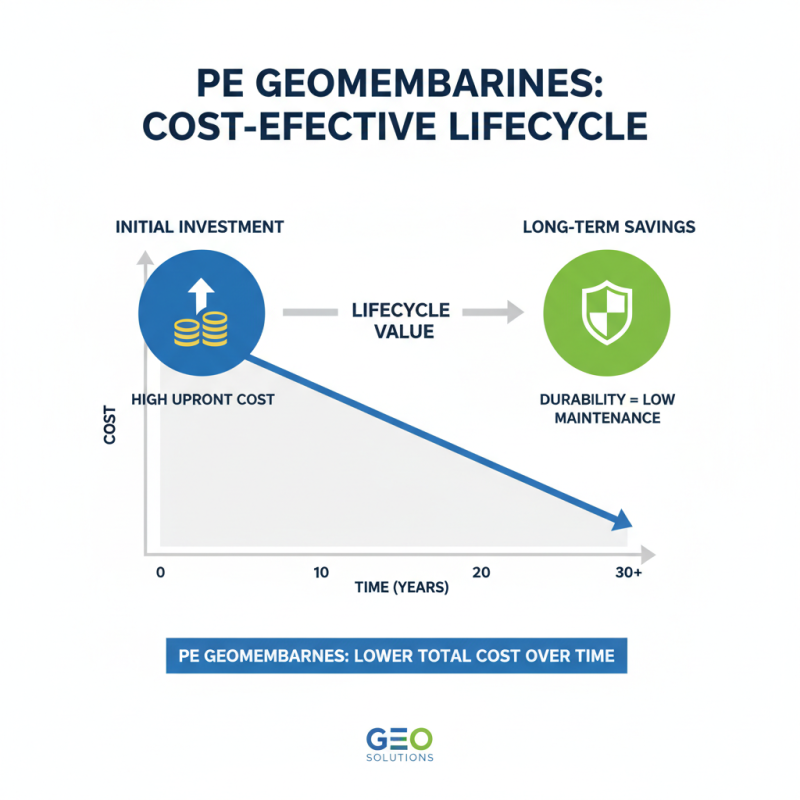
When considering geomembranes, cost-effectiveness is a key factor. PE geomembranes have a notable lifecycle that can affect overall expenses. The initial investment might seem high. However, their durability often leads to lower maintenance costs over time.
This material is resistant to chemicals and UV damage. It can last for decades if properly installed. Projects may face environmental challenges, yet PE geomembranes typically withstand these with ease. They require minimal upkeep, which can be a significant cost saver.
Some may argue that alternative options are cheaper upfront. But, these may incur hidden costs later. A focus on long-term savings reveals the real value of PE geomembranes. Evaluating all expenses throughout the project’s lifecycle is critical. Recognizing this can lead to more informed decisions.
Comparative Analysis: Pe Geomembranes vs. Other Membrane Materials
When considering geomembranes for various projects, the choice often boils down to material type.
PE geomembranes have some clear advantages over their counterparts.
They are known for their excellent resistance to chemical exposure. This makes them suitable for landfill liners and containment applications.
Many projects require durability, and PE does not disappoint. Its long lifecycle minimizes the need for replacements.
In contrast, other materials, like PVC, can be less robust. PVC geomembranes are usually more flexible but have a shorter lifespan.
They may require additional maintenance, which adds to overall project costs. Other materials, like EPDM, offer excellent elasticity but are not as chemically resistant.
They might fail in harsh environments.
Choosing the correct material is critical. Analyzing project requirements is essential.
PE geomembranes often stand out. Yet, project specifics may reveal that alternatives also have distinct benefits.
Understanding these differences can lead to better project decisions.
Industry Applications: Where Pe Geomembranes Shine in Engineering
Pe geomembranes are increasingly chosen for various engineering applications due to their versatility and durability. In landfill projects, they serve as crucial barriers, preventing leachate from contaminating surrounding soil and groundwater. A 2021 study notes that nearly 70% of landfill projects utilize geomembranes for this purpose, demonstrating their effectiveness and importance.
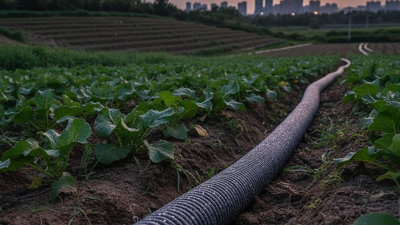
In agricultural sectors, these materials offer significant advantages. They help in irrigation systems by minimizing water loss through evaporation. Some reports indicate a reduction of up to 30% in water usage due to effective containment. However, not all geomembranes perform equally well under extreme conditions. Designs should account for local soil types and weather patterns.
Moreover, in the mining industry, pe geomembranes are essential for tailings management. They support the containment of hazardous materials, reducing environmental impact. Yet, there are concerns about their long-term stability. Studies suggest that UV exposure can degrade some products over time. Addressing these issues is vital for ensuring safety and sustainability in engineering projects.