Best Filter Drain Material Tips for Effective Water Management?
Effective water management is crucial in today's world. One of the key components is the choice of Filter Drain Material. Dr. Emily Carter, a leading expert in water management, once stated, "The right filter drain material can make or break an effective drainage system." This underscores the importance of selecting materials that enhance performance.
When assessing filter drain materials, consider durability and permeability. A good filter must allow water to pass while trapping pollutants. Many overlook the significance of this balance. Using materials like geotextiles or gravel can improve efficiency. However, not every option suits all environments.
Adopting the right approach can be challenging. Some practitioners may rely on outdated methods or materials without evaluating their effectiveness. In the quest for better solutions, continual learning is essential. Exploring new, innovative filter drain materials may lead to enhanced water management strategies for all.
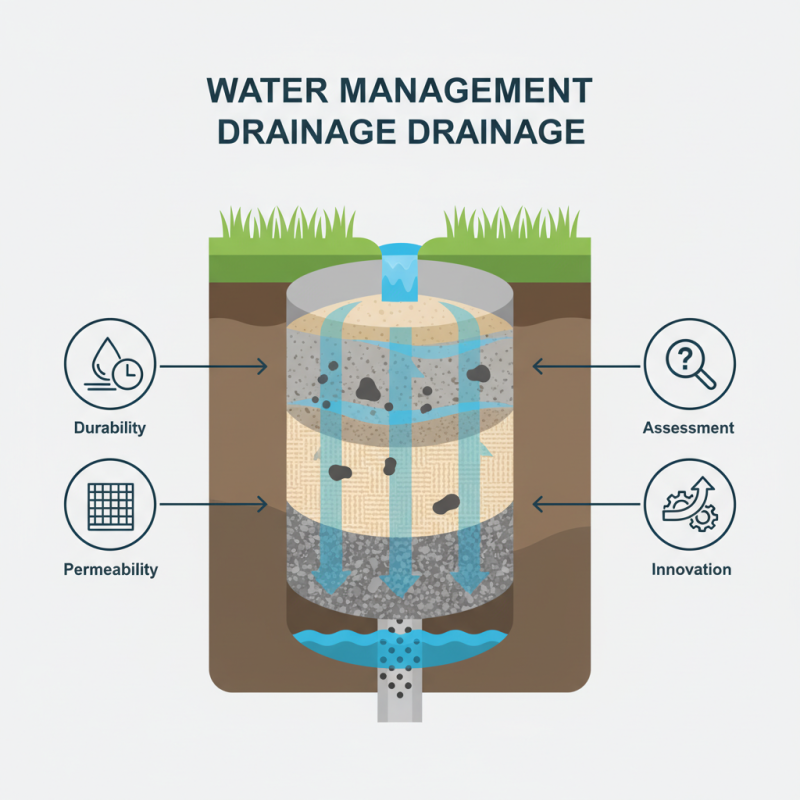
Best Filter Drain Material for Urban Water Management Practices
Urban areas face significant challenges in managing stormwater. Efficient water management is vital for reducing flooding and pollution. One critical component is choosing the right filter drain material. Studies indicate that 80% of urban runoff can be captured with effective systems.
Geotextiles and permeable pavements are often recommended. They allow water to flow through while filtering out sediments. In fact, using the right material can reduce pollutants by 90% in some cases. But not every installation meets the standards. Poor maintenance can lead to clogging and decreased performance. Some systems do not provide adequate filtration, questioning their long-term effectiveness.
Further, local soil conditions affect drainage performance. Failing to consider this can result in ineffective systems. Not enough emphasis is placed on tailoring solutions to specific environments. The selection process should integrate environmental data and hydrological models. Balancing cost and efficiency is not easy. Immediate savings may lead to higher long-term maintenance expenses. Each urban area must reflect on its unique needs and choose wisely.
Best Filter Drain Material Tips for Effective Water Management
| Material Type |
Porosity (%) |
Cost per Cubic Meter ($) |
Best Use Cases |
Maintenance Frequency (Months) |
| Sand |
25 |
35 |
Residential Drainage |
6 |
| Gravel |
30 |
50 |
Urban Runoff |
12 |
| Perlite |
20 |
80 |
Green Roof Systems |
24 |
| Activated Charcoal |
15 |
120 |
Pollutant Filtration |
6 |
| Hempcrete |
35 |
100 |
Stormwater Management |
18 |
Comparison of Natural and Synthetic Filter Materials for Drainage Systems
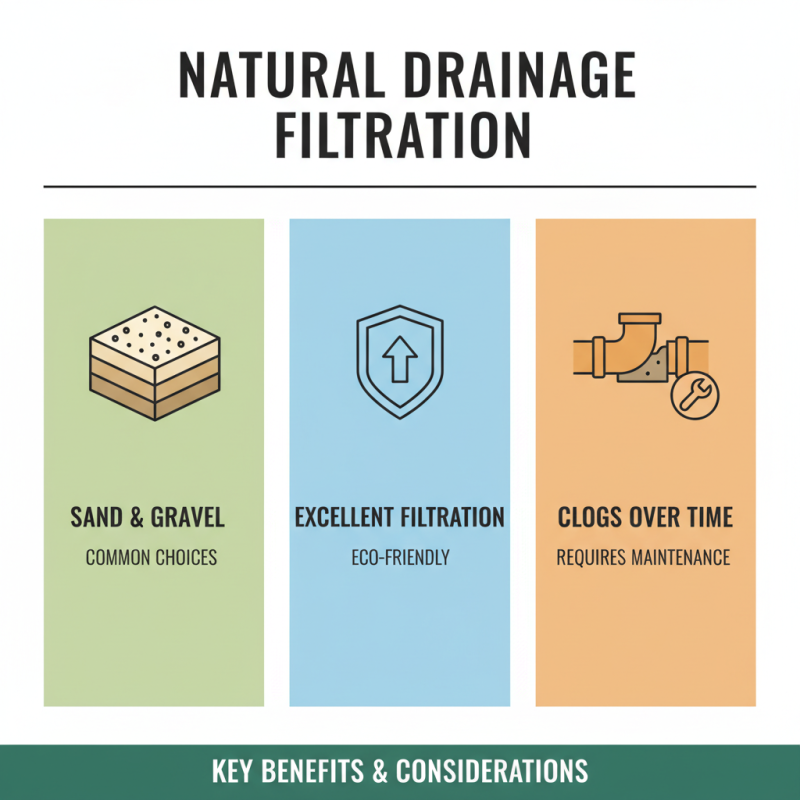
When considering drainage systems, choosing the right filter material is crucial. Natural materials like sand and gravel are common choices. They provide excellent filtration and are often more environmentally friendly. However, they can clog over time. Maintenance is essential to ensure their effectiveness.
On the other hand, synthetic filter materials offer convenience. They are durable and resistant to clogging, making them desirable for many projects. Yet, they can be less biodegradable, raising concerns about long-term environmental impact. Finding a balance between effectiveness and sustainability is necessary.
Each option has its pros and cons. Natural materials require regular upkeep. Synthetic materials may save time but can have ecological drawbacks. Evaluating specific site needs is important. Testing different materials may lead to unexpected results. Reflections on long-term performance can reveal valuable insights.
Impact of Filter Drain Materials on Soil Moisture Retention and Permeability
Choosing the right filter drain material significantly affects soil moisture retention and permeability. Various materials, such as gravel, sand, and geotextiles, play crucial roles in managing drainage. Research shows that proper selection can enhance moisture retention by up to 30%. This improvement is vital for agricultural practices, especially in arid regions.
Gravel is often recommended due to its high permeability. It allows water to drain quickly, preventing waterlogging. However, it can also lead to nutrient leaching. Sand, although excellent for drainage, can struggle with retaining moisture. Geotextiles, on the other hand, offer a balance, enhancing soil structure while allowing water movement. Yet, if installed incorrectly, they can become clogged, leading to ineffective drainage.
Understanding the impact of these materials is essential. A study by the Soil Science Society reported that improper drainage management increases soil erosion by 25%. This statistic reveals the need for thoughtful consideration when selecting materials. The choice should align with specific soil types and regional climate conditions. Striking a balance between drainage and moisture retention is key. Each project presents unique challenges that require careful planning and adaptation of strategies.
Regulatory Standards and Guidelines for Selecting Drain Filter Materials
When selecting drain filter materials, it's essential to consider regulatory standards and guidelines. These regulations help ensure effective water management. They focus on sustainability and environmental impact. Adhering to these standards can mitigate potential risks. It creates a safer ecosystem for both people and wildlife.
Evaluate local regulations before making a decision. Each region may have different requirements. Materials like gravel, sand, or synthetic options can be considered. Their effectiveness often depends on the specific application. Not every material will meet the desired performance. Some may degrade over time, causing further issues.
Engaging with professionals can help navigate these complexities. Make sure to ask about compliance with regulations. Balancing functionality and cost is crucial. Sometimes cheaper options may lead to higher long-term expenses. Reflecting on these choices can lead to better outcomes overall.
Best Filter Drain Material Tips for Effective Water Management