Top 10 Best Plastic Drainage Pipes for Home and Garden Use?
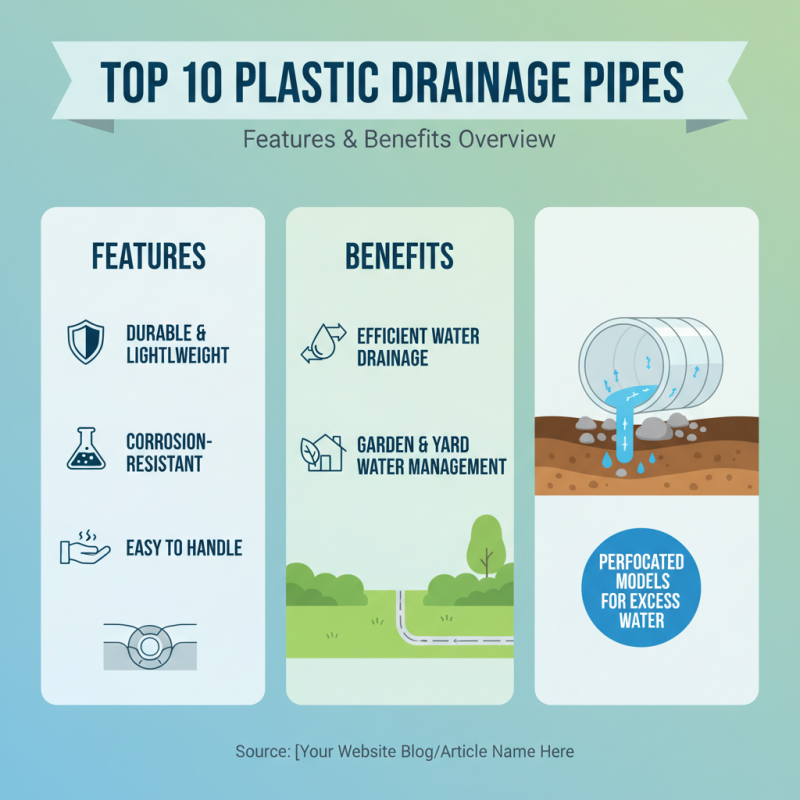
When it comes to home and garden projects, choosing the right materials is crucial. One essential component is the plastic drainage pipe. This material is lightweight and durable, making it an excellent choice for efficient water management. Many homeowners overlook the importance of selecting high-quality pipes. A poor choice can lead to leaks or blockages.
Plastic drainage pipes come in various sizes and styles. This variety allows you to find the perfect fit for your specific needs. The right pipe can enhance drainage systems and help avoid flooding in gardens or basements. Remember, not all products are created equal. It's essential to analyze the features and user reviews before making a decision.
Investing in reliable plastic drainage pipes can save you from future headaches. However, one must be cautious. Some cheaper options may not meet quality standards, leading to frustrations. Each product has its pros and cons. We should reflect on what works best for our unique circumstances and make informed choices.
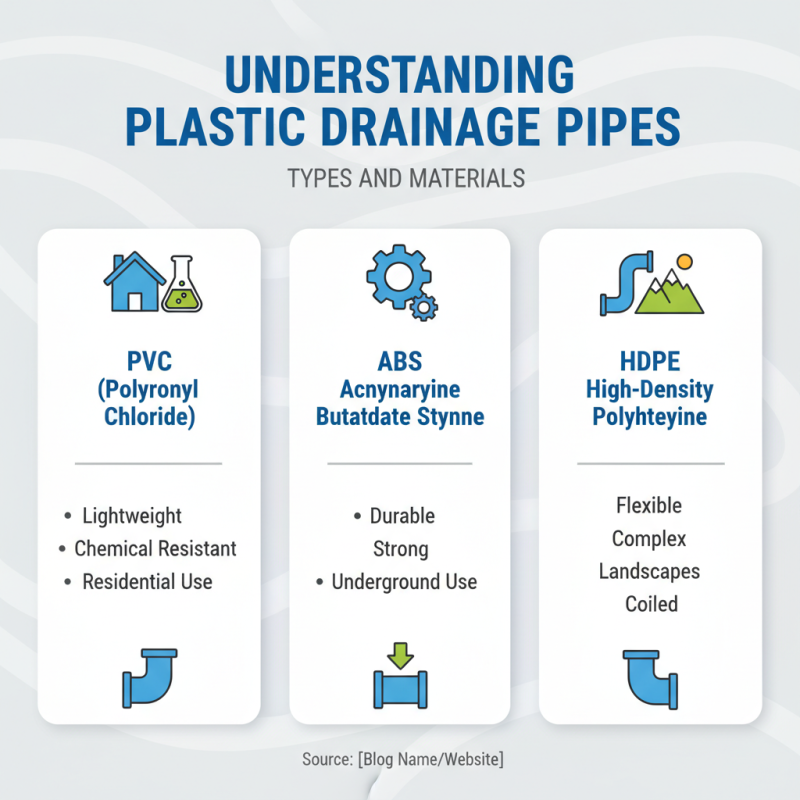
Understanding Plastic Drainage Pipes: Types and Materials
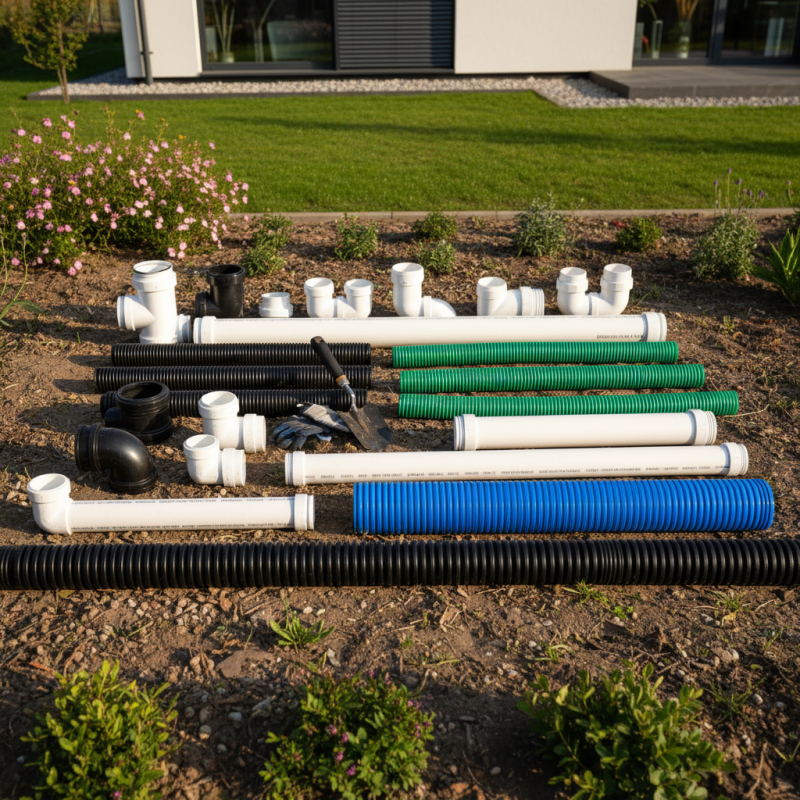
When it comes to drainage, understanding the types and materials of plastic pipes is essential. Plastic drainage pipes are made from different materials, each offering unique benefits. Common materials include PVC, ABS, and HDPE. PVC is lightweight and resistant to chemicals. It is often used for residential applications. ABS is known for its durability and strength. It is suitable for underground use. HDPE is flexible, making it ideal for complex landscapes.
Choosing the right type can be challenging. Some people overlook pipe diameter, affecting flow rates. A pipe that is too narrow may clog easily. The right fittings are also crucial, as improper connections can lead to leaks. Regular maintenance is needed to prevent issues. Inspect pipes often to catch any problems early. Remember, not all pipes are created equal. Testing different types may reveal surprising results. Experimenting with materials can lead to better drainage solutions.
Factors to Consider When Choosing Drainage Pipes for Home and Garden
When selecting drainage pipes for home and garden use, several factors come into play. The diameter is crucial. A larger diameter can handle more water, but it may be costly. Think about the flow rate needed for your garden. Size should match your landscaping needs, but not every project requires oversized pipes.
Material is another important element. Lightweight plastic pipes are easy to install. However, they may not withstand all environmental factors. Consider the local climate. Will your pipes freeze in winter? Choose materials that can endure your region’s weather patterns.
Finally, the pipe's installation technique matters. Some options allow for simple DIY setups, while others require professional help. Consider your skills and budget. Misjudging this can lead to potential issues later. Drainage problems might surface if pipes are not correctly placed. Always plan for possible repairs and improvements down the line.
Top 10 Best Plastic Drainage Pipes for Home and Garden Use
Comparative Analysis of Popular Plastic Drainage Pipe Brands
When considering plastic drainage pipes, various factors come into play. The market offers a wide selection, each promising durability and efficiency. Some pipes are designed for heavy-duty use, while others cater to lighter needs. It's essential to assess the material quality and wall thickness. For example, thicker walls can enhance resistance to impacts and ground pressure.
Some brands gain popularity for their seamless installation processes. However, ease of installation doesn't guarantee long-term performance. Users have reported issues with certain models becoming brittle over time. Analyzing customer reviews can provide insight into these inconsistencies. Additionally, the pipe's flexibility plays a role in adapting to different landscapes. Pipes that can bend without breaking are often more convenient for garden use.
Price often reflects quality, but it's not the only factor. A higher price doesn't always assure better performance. Testing pipes under real conditions can reveal surprising vulnerabilities. Not all pipes perform equally in extreme weather. Therefore, it's crucial to consider local climate when choosing a drainage solution. Making an informed choice requires thorough research and reflection on personal needs.
Installation and Maintenance Tips for Plastic Drainage Systems
When installing plastic drainage systems, proper techniques are crucial. The installation should start with a well-planned layout. A surveyor’s report reveals that nearly 30% of drainage failures occur due to poor site assessments. It is vital to understand the slope needed for effective water flow. A general rule is to maintain a slope of at least 1% for proper drainage. This means for every meter, the pipe should drop 1 cm.
Moreover, maintenance of these systems cannot be overlooked. Regular checks are essential. Blockages can occur from debris or tree roots. Reports indicate that maintenance issues can lead to a 25% decrease in system efficiency. Owners should inspect their drainage systems biannually. Cleaning them regularly can enhance performance significantly. Many users forget to consider this aspect, leading to costly repairs down the line.
Keep in mind the importance of using proper materials. Not all plastics are created equal. Some may degrade over time, especially under UV exposure. Installation mistakes contribute to many of these problems. Awareness is key. Understanding these details makes for a more effective and durable drainage solution.
Top 10 Best Plastic Drainage Pipes for Home and Garden Use
| Pipe Type |
Diameter (inches) |
Length (feet) |
Material |
Durability Rating |
Price ($) |
| Perforated Pipe |
4 |
10 |
PVC |
High |
25 |
| Solid Drain Pipe |
6 |
20 |
HDPE |
Medium |
30 |
| Corrugated Pipe |
3 |
15 |
PVC |
Low |
15 |
| Drainage Channel |
8 |
5 |
Polymer |
High |
40 |
| Sump Pump Discharge Pipe |
2 |
10 |
PVC |
Medium |
20 |
| French Drain Pipe |
4 |
30 |
HDPE |
High |
35 |
| Drain Tile Pipe |
4 |
25 |
Polyethylene |
Medium |
28 |
| Chamber Drainage System |
8 |
10 |
Composite |
High |
50 |
| Septic Tank Drain Pipe |
4 |
12 |
PVC |
High |
30 |
| Irrigation Drainage Pipe |
3 |
50 |
Polyethylene |
Medium |
45 |