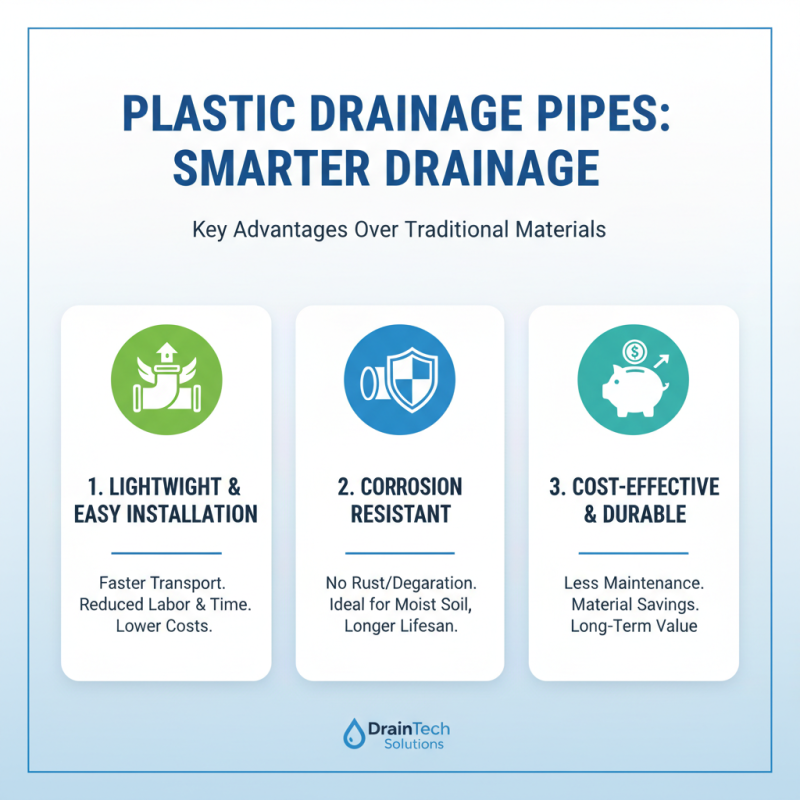
In recent years, Plastic Drainage Pipe has become a popular choice for many plumbing projects. It offers several advantages that have caught the attention of homeowners and builders alike. This innovative material is lightweight, making installation easier and more efficient. Many appreciate how it resists rust and corrosion, ensuring longevity in various environments.
Additionally, Plastic Drainage Pipe is cost-effective compared to traditional materials. Its affordability allows more projects to stay within budget. However, some might overlook its potential impact on water quality over time. It's essential to assess how these pipes interact with different soil types.
Despite some drawbacks, like concerns over environmental sustainability, the benefits are undeniable. In specific applications, Plastic Drainage Pipe can outperform alternatives. Overall, understanding these advantages can guide informed decisions for plumbing needs.
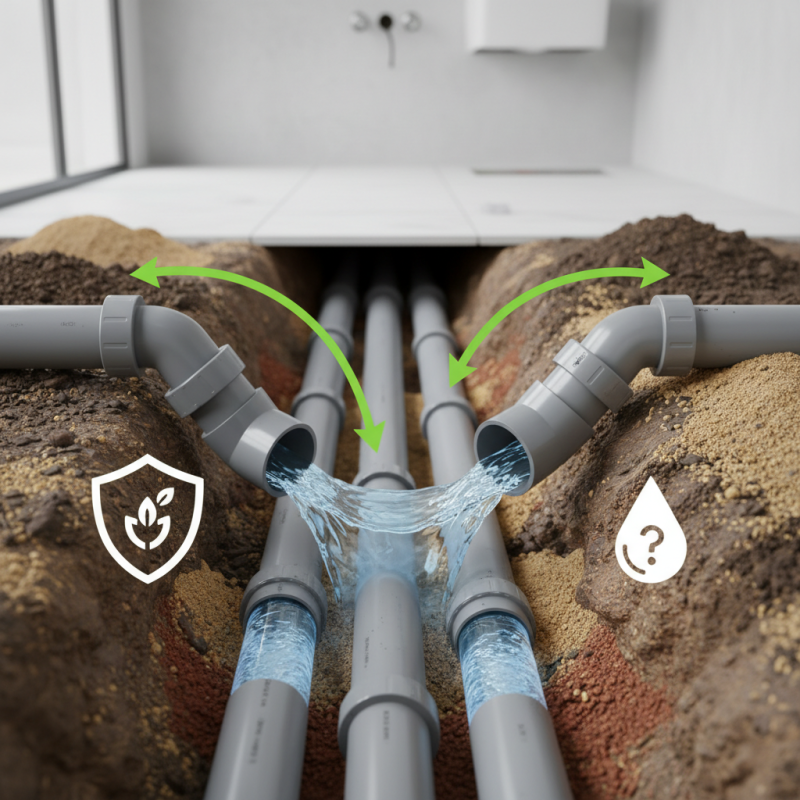
Plastic drainage pipes have gained popularity in plumbing due to their versatility and durability. They are lightweight, making installation easier than heavier materials like metal or clay. According to a recent industry report, over 70% of new drainage systems utilize plastic pipes due to their cost-effectiveness and ease of handling. This material is resistant to corrosion, which is crucial in wet environments. They are commonly used in both residential and commercial projects.
Tips: When choosing plastic drainage pipes, consider the local climate. Cold temperatures can affect flexibility. Always check for compatibility with your drainage system. Using improper connectors can lead to leaks.
Plastic pipes are also known for their smooth interior surface. This reduces blockage and promotes efficient water flow. A study indicates that plastic pipes can enhance flow rates by 25% compared to older materials. Sometimes, however, they can be less effective in extreme heat, which may cause warping. This aspect is worth reflecting on when planning long-term installations.
Tips: Regular maintenance is essential. Periodically inspect your drainage system for signs of wear. Avoid heavy loads on top of the pipes to prevent damage. These actions can prolong the life of your drainage system.

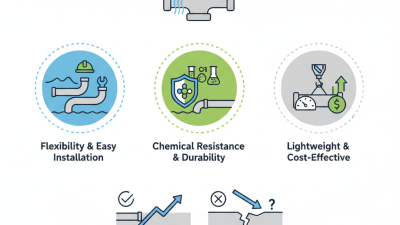
Plastic drainage pipes offer several advantages compared to traditional materials like metal or clay. They are lightweight, making them easier to transport and install. This ease of handling can significantly reduce installation time and labor costs. Additionally, plastic pipes resist corrosion, which is a common issue with metal pipes in moist environments. Over time, this can lead to substantial savings in maintenance.
Another aspect worth considering is the flexibility of plastic drainage pipes. They can bend without breaking, allowing for more versatile installations. This is particularly beneficial in areas with changing terrain or where the layout is not straightforward. However, some may find this flexibility can lead to challenges in anchoring the pipes securely.
Moreover, plastic pipes tend to be less expensive than traditional options. This lower cost does not come at the expense of quality. But it is important to evaluate the specific needs of your plumbing project carefully. Not all plastic options are equal in durability. Some might not hold up well under extreme conditions.
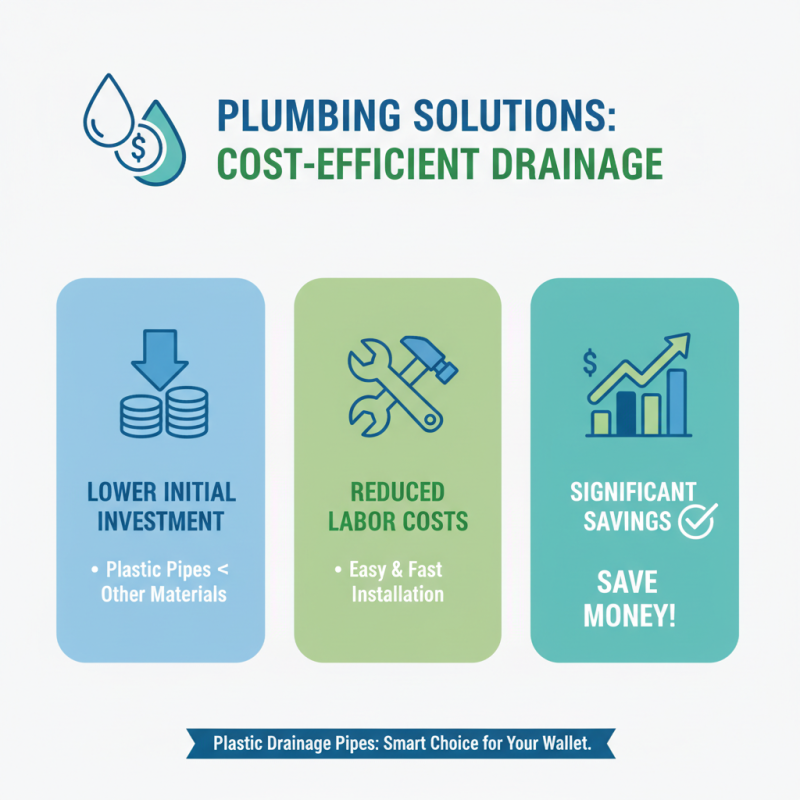
When considering plumbing solutions, cost efficiency is a key factor. Plastic drainage pipes can offer significant financial benefits. The initial investment is often lower than for other materials. This means that you save money right away. Installing these pipes can be straightforward, cutting labor costs as well.
Over time, the savings multiply. Plastic pipes resist corrosion and do not require frequent replacement. This durability translates into fewer repairs and replacements. Unlike metal pipes, they are lightweight. This feature simplifies transportation and installation, further saving on expenses.
However, it's essential to keep in mind potential drawbacks. In extreme temperatures, plastic pipes may become brittle. This could lead to unexpected expenses if not monitored. Regular inspection is crucial to mitigate risks. Balancing cost and durability is important when selecting the right materials for plumbing needs.
When choosing materials for plumbing, durability is key. Plastic drainage pipes excel in resistance to environmental factors. Studies show that plastic pipes can last over 50 years. They resist corrosion and degradation from soil and water. Unlike metal alternatives, they won’t rust or corrode.
Plastic drainage pipes are also lightweight. This makes them easier to handle and install. Industry reports indicate reduced labor costs due to faster installation. Moreover, plastic is less affected by environmental stressors like temperature fluctuations. This resilience contributes to their long lifespan.
Tip: Ensure the pipes you choose have proper certifications. This guarantees quality and performance in various conditions. Another important aspect is selecting the right diameter for your plumbing needs. Incorrect sizing can lead to blockages or inefficient drainage. Take time to measure accurately for the best results. Always consult professionals when in doubt.
| Benefit | Description | Environmental Resistance | Durability |
|---|---|---|---|
| Lightweight | Easier handling and installation due to lower weight. | Resistant to corrosion from soil and water. | Long lifespan under normal conditions. |
| Cost-Effective | Lower material and transportation costs than metal pipes. | Does not require protective coatings. | Reduced replacement frequency saves money. |
| Flexibility | Can be easily shaped and installed around obstacles. | Can withstand ground movement and settling. | Resists cracking and breakage. |
| Low Maintenance | Requires less upkeep compared to traditional materials. | Immunity to rust and chemical deterioration. | Durable performance over many years. |
| Smooth Surface | Promotes free-flowing drainage with minimal blockages. | Prevents buildup of debris and sediment. | Enhances flow rate, reducing pressure on pipes. |
| Chemical Resistance | Resistant to a variety of chemicals typically found in drainage. | Does not corrode in contact with harsh environments. | Ensures longevity in industrial applications. |
| Noise Reduction | Quieter water flow compared to metal pipes. | Absorbs sound vibrations effectively. | Eliminates rattling noises commonly associated with metal. |
| Adaptability | Suitable for a variety of construction and soil conditions. | Used in residential, commercial, and industrial applications. | Fully functional in diverse environments. |
| Eco-Friendly Options | Many types are recyclable and less harmful. | Sustainable options available in the market. | Reduces carbon footprint compared to alternatives. |
Installing plastic drainage systems is often straightforward. The lightweight nature of plastic makes handling and positioning easier. Most installations require fewer tools compared to heavier materials like concrete or metal. For DIY enthusiasts, this translates to reduced effort and time.
Maintenance is also simple. Plastic pipes resist corrosion and do not rust, meaning they need less frequent replacements. A quick inspection can often reveal any clogs or leaks. While this durability is a significant advantage, homeowners should still check regularly. Neglecting maintenance may lead to unexpected issues that could have been avoided.
However, some might find that plastic isn't as robust in extreme conditions. In cold climates, plastic can become brittle. Depending on the installation site, this could pose problems. Regular checks become even more crucial in such areas. Understanding these nuances is essential for effective plumbing management.