Top Benefits of Using Polyethylene Drainage Pipe in Construction Projects?
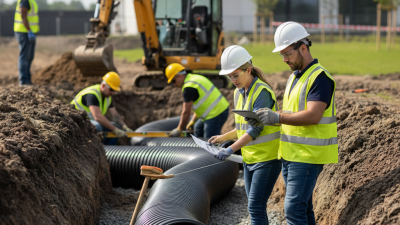
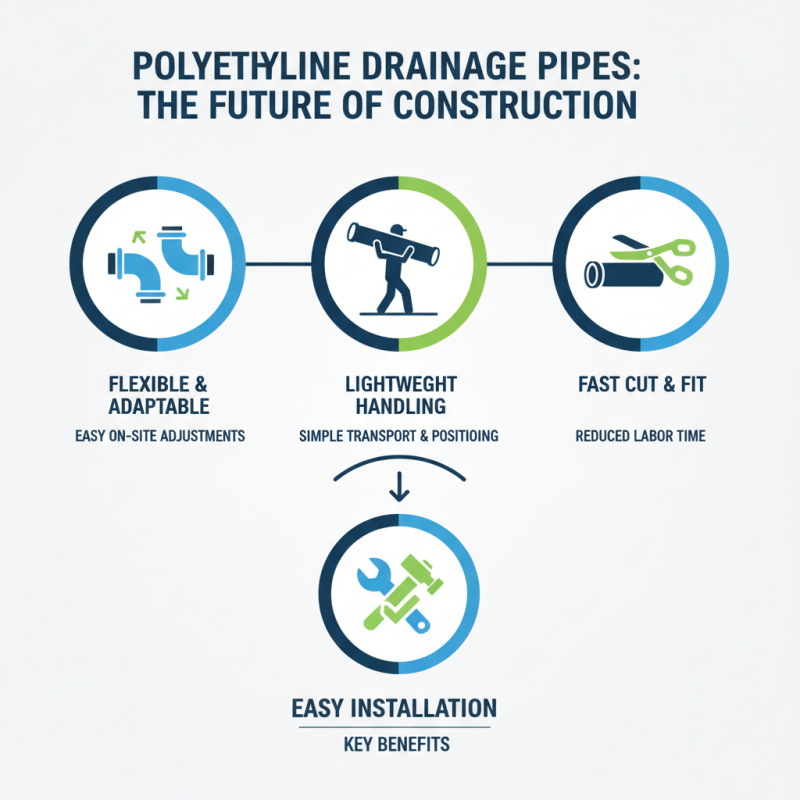
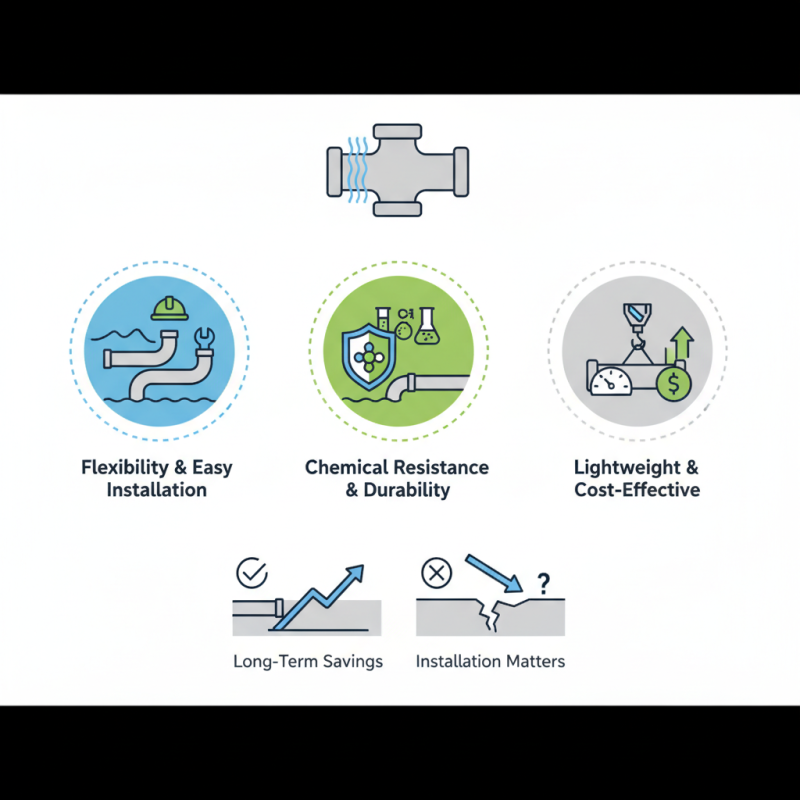
In construction, effective drainage is vital. The choice of materials significantly influences project success. One popular option is the Polyethylene Drainage Pipe. This pipe stands out for its durability and resilience. It offers flexibility during installation, making it easier to navigate complex site layouts.
Polyethylene Drainage Pipe also boasts excellent resistance to chemicals. This property ensures longevity in various environments. Many construction projects also benefit from its lightweight nature, allowing for easier transportation and installation. However, not all contractors harness these advantages effectively. Some may overlook the long-term cost benefits.
While the initial investment in Polyethylene Drainage Pipe seems higher, its lifespan can lead to savings. Yet, teams must ensure proper installation practices to avoid future issues. As with any material, there are challenges. Understanding these nuances is essential for maximizing efficiency in construction.
Benefits of Polyethylene Drainage Pipe in Construction Projects
Polyethylene drainage pipes offer significant advantages for construction projects. They are
lightweight and easy to install, which reduces
labor costs. This flexibility allows for quick adjustments on-site, even when challenges arise.
Many workers appreciate how simple these pipes are to handle. However, in some cases, the need
for proper support becomes apparent.
Additionally, polyethylene pipes resist corrosion
and chemical damage, making them ideal for various environments. They withstand harsh weather
conditions, which increases their longevity. Despite these benefits, contractors must remain
vigilant about proper installation practices. Some projects have faced unexpected issues due to
inadequate support systems.
The smooth interior of polyethylene pipes encourages efficient water flow, reducing clogs.
While their durability is impressive, regular inspections are necessary. Neglecting this could
lead to costly repairs over time. Overall, the use of
polyethylene drainage pipes can enhance project efficiency, but careful planning and execution cannot be overlooked.
Durability and Longevity of Polyethylene Drainage Systems
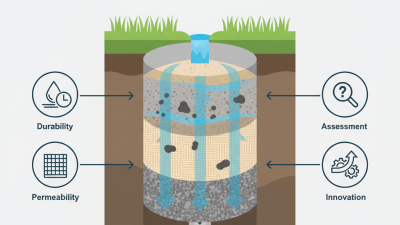
Polyethylene drainage systems are known for their exceptional durability and longevity. These systems can last over 50 years when properly installed. According to a 2022 study by the American Society of Civil Engineers, polyethylene pipes have resistance to corrosion and chemical degradation. This makes them an ideal choice for various construction projects.
Moreover, polyethylene pipes are lightweight and easy to handle. This can result in reduced labor costs. The flexibility of these pipes allows for easy installation in tight spaces. However, improper installation may lead to premature failure. It’s essential to follow guidelines closely. Regular inspections are crucial to ensure the system remains functional over time.
While polyethylene pipes excel in many areas, they do face challenges. For instance, exposure to UV light can degrade the material. Using protective coatings may help mitigate this risk. Additionally, higher temperatures can affect their integrity. Balancing these factors is important for maximizing the lifespan of drainage systems.
Top Benefits of Using Polyethylene Drainage Pipe in Construction Projects
This chart illustrates the top benefits of using polyethylene drainage pipes in construction projects. Each benefit is rated on a scale of 1 to 10, showcasing their importance in terms of durability, flexibility, corrosion resistance, cost-effectiveness, and lightweight properties.
Cost-Effectiveness Compared to Traditional Drainage Solutions
When it comes to drainage solutions, polyethylene pipes stand out for their cost-effectiveness. Compared to traditional materials, they often yield long-term savings. According to a recent industry report, polyethylene drainage systems can reduce installation costs by up to 30% due to their lightweight nature. This allows workers to handle them easily, cutting labor costs significantly.
Polyethylene pipes also resist corrosion and chemical damage, leading to fewer replacements over time. The durability can mean a lifespan of 50 years or more. This longevity translates into lower maintenance costs. In fact, research shows that maintenance for polyethylene systems is 50% lower than for traditional materials.
Tip: When considering drainage solutions, assess the total cost of ownership, not just upfront expenses.
However, some project managers may overlook the initial perception of lesser quality. There can be skepticism about using newer materials over traditional concrete or metal pipes. This is a consideration that requires careful evaluation.
Tip: Always compare warranties and performance data to ensure you make an informed choice.
Ease of Installation and Maintenance for Construction Professionals
Polyethylene drainage pipes are gaining popularity in construction. One key reason is their ease of installation. These pipes are lightweight, making them simple for workers to handle. The flexibility of polyethylene enables quick adjustments on-site, reducing labor time significantly. Workers appreciate how easily they can cut and fit the pipe to various configurations.
Maintenance is also a breeze with polyethylene pipes. Their smooth interior minimizes clogs, which means less time spent on repairs. Even in adverse conditions, these pipes resist corrosion and deterioration. Occasionally, inspectors might find minor wear, but overall, routine checks suffice for upkeep. Workers can focus on their tasks without worrying excessively about the drainage system.
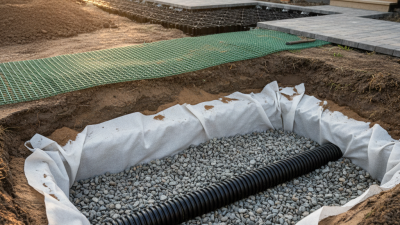
However, challenges can arise. Improper installation may lead to issues like uneven settling. This can cause leaks or blockages. It's crucial for crews to receive proper training. While polyethylene is resilient, following best practices is essential. Awareness of potential pitfalls can enhance the overall efficiency of construction projects.
Environmental Impact: The Sustainability of Polyethylene Pipes
Polyethylene pipes have gained prominence in construction for their remarkable environmental benefits. Made from a recyclable material, these pipes contribute to sustainability. According to a report from the Plastics Industry Association, over 1.5 million tons of polyethylene are recycled annually in the U.S. alone. This highlights the potential of using polyethylene pipes to reduce landfill waste and enhance the circular economy.
Tips: When selecting materials, check their recyclability. Look for local recycling facilities that accept polyethylene.
Moreover, polyethylene pipes have a long lifespan, often exceeding 50 years. This durability reduces the need for frequent replacements, resulting in lower material consumption over time. The International Council of Chemical Associations notes that using such materials can reduce greenhouse gas emissions by up to 50% compared to traditional options. However, it's vital to consider the environmental impact of production processes.
Tips: Analyze the carbon footprint of your chosen materials. Opt for suppliers who prioritize eco-friendly practices.
Employing polyethylene pipes can streamline water management systems effectively. Their lightweight nature allows for easier transport and lower installation costs. However, the energy consumption during production should be scrutinized. Balancing immediate benefits with long-term impacts requires careful planning and evaluation.
Top Benefits of Using Polyethylene Drainage Pipe in Construction Projects - Environmental Impact: The Sustainability of Polyethylene Pipes
| Benefit |
Description |
Environmental Impact |
Sustainability Feature |
| Lightweight |
Easier transportation and installation, reducing energy usage. |
Lower carbon footprint during transportation. |
Reduces emissions due to lighter materials. |
| Corrosion Resistance |
Long-lasting performance without deterioration. |
Less frequent replacement leads to less waste. |
Long service life contributes to sustainability. |
| Chemical Resistance |
Suitable for various applications without leaching. |
Protects natural resources from contamination. |
Preserves environmental integrity. |
| Flexibility |
Can be used in various applications and terrains. |
Adaptability reduces resource use in construction. |
Conservative approach to materials. |
| Recyclability |
Can be recycled at the end of the product life. |
Contributes to a circular economy. |
Supports sustainable materials management. |