Top 10 Benefits of Polyethylene Drainage Pipe for Effective Water Management?
Effective water management is essential for both urban and rural settings. One of the most reliable solutions today is the Polyethylene Drainage Pipe. This innovative material offers numerous advantages for efficient drainage systems.
Polyethylene Drainage Pipe is lightweight, durable, and resistant to corrosion. This makes installation easier and reduces maintenance costs over time. Its flexibility allows it to adapt to various terrains, providing customized solutions for different environments. Many municipalities have turned to these pipes to address flooding and water runoff issues effectively.
However, not every application of Polyethylene Drainage Pipe is perfect. In some cases, installation challenges arise due to soil conditions or existing infrastructure. While these pipes excel in many scenarios, it's vital to evaluate each situation carefully. By understanding both the advantages and limitations, we can better utilize this remarkable product for improved water management.
Overview of Polyethylene Drainage Pipes and Their Usage
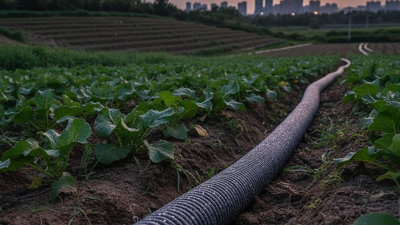
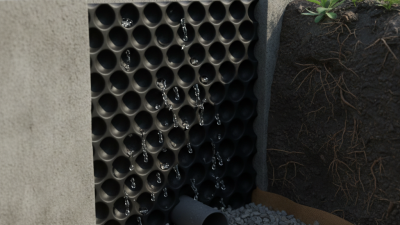
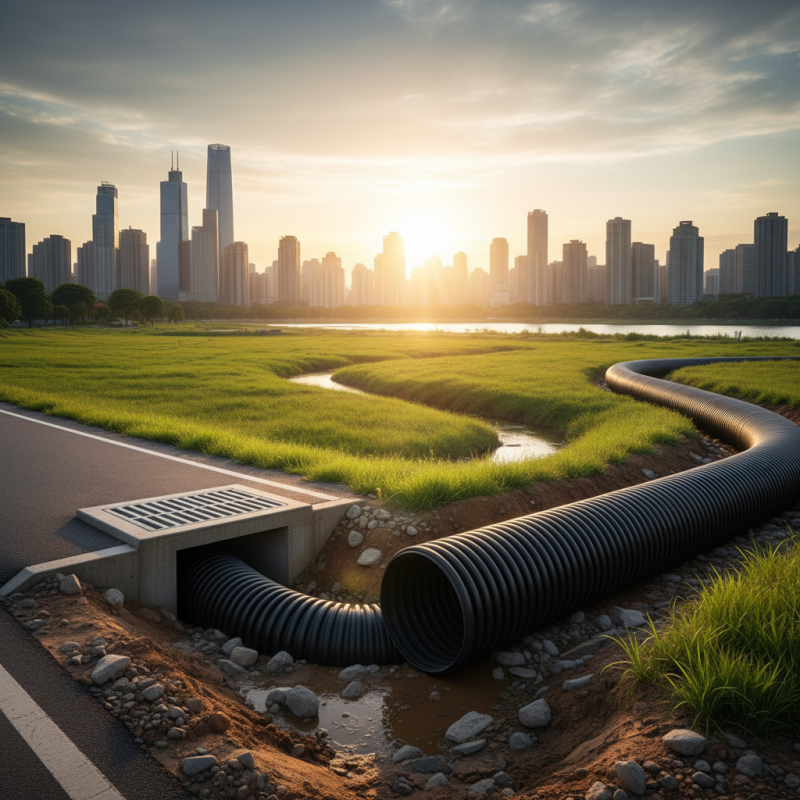
Polyethylene drainage pipes are widely used in various applications. They are lightweight and flexible, making installation easier. This type of pipe is resistant to corrosion and chemicals. It can handle high flow rates and is ideal for managing stormwater. These properties promote effective water management in urban and rural settings.
The use of polyethylene drainage pipes helps prevent waterlogging. They can be installed in challenging terrains. However, improper installation might lead to blockages. This is a concern that should not be overlooked. A reliable drainage system requires careful planning.
Many construction projects employ these pipes for longevity. They can last several decades when maintained properly. Despite their benefits, some installations face issues with soil stability. Regular inspections are essential to ensure continued performance. Proper care can enhance their effectiveness and utility in managing water.
Top 10 Benefits of Polyethylene Drainage Pipe for Effective Water Management
Key Properties Making Polyethylene Ideal for Water Management
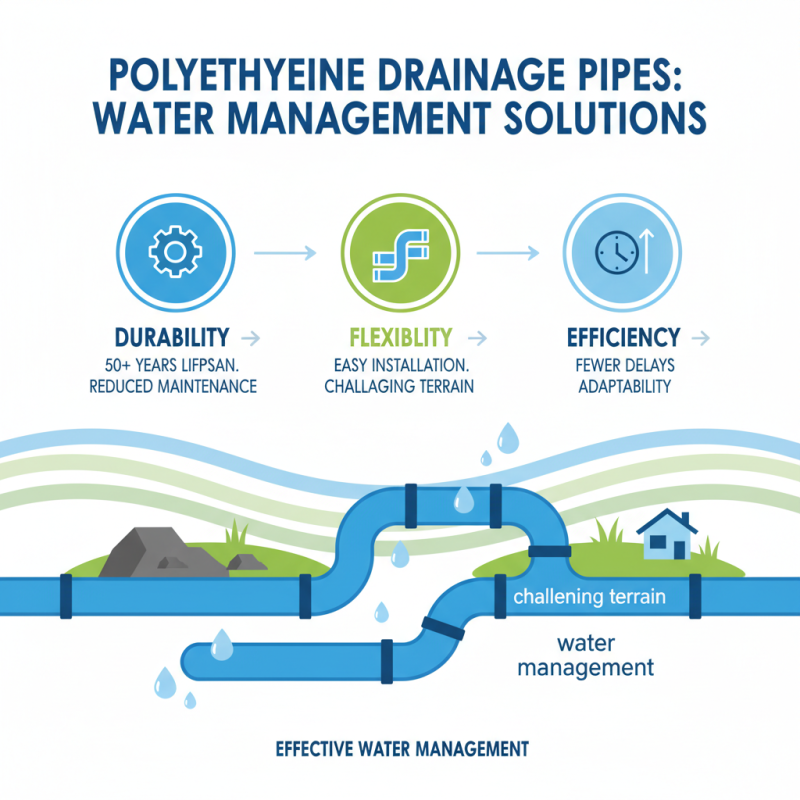
Polyethylene drainage pipes have become essential in effective water management due to several key properties. Their durability sets them apart. According to industry reports, polyethylene pipes can last over 50 years, significantly reducing maintenance costs. The flexibility of these pipes allows for easy installation, even in challenging terrains. This adaptability leads to fewer project delays and better overall efficiency.
Lightweight materials simplify transportation and handling on-site. This feature reduces labor costs and time spent on installation. Additionally, polyethylene's resistance to corrosion means fewer replacements. Studies show that these pipes maintain structural integrity better than traditional materials. They are also less prone to leaks, which can save water in drought-prone regions.
Tips: Always assess the soil conditions before installation. Understanding the environment can prevent costly repairs. Regular inspections can help identify potential issues early. While polyethylene pipes offer many advantages, the need for skilled labor to manage intricate installations cannot be overlooked. Proper training ensures optimal use of these materials in various applications.
Benefits of Flexibility and Lightweight Design in Drainage Systems
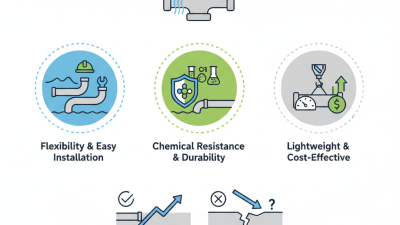
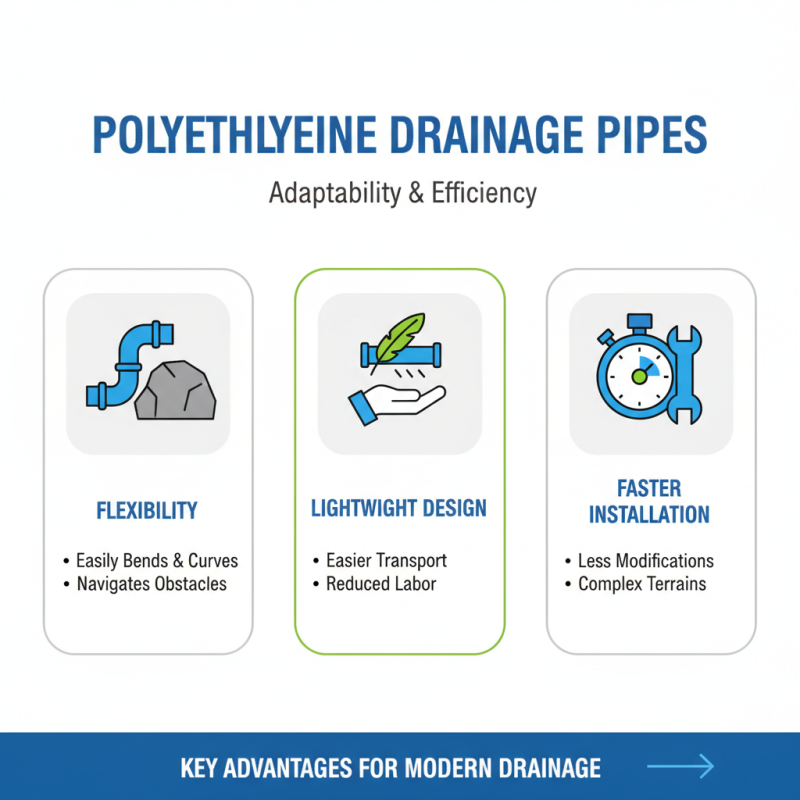
When it comes to drainage systems, flexibility and lightweight design are key advantages of polyethylene drainage pipes. These pipes can easily bend and curve to fit various landscapes. This adaptability makes installations faster and less labor-intensive. For instance, in complex terrains, you can navigate around obstacles without needing extensive modifications.
The lightweight nature of polyethylene also means easier handling during installation. Workers can transport these pipes without heavy machinery, reducing overall project costs. Transporting them to challenging locations is much simpler, enhancing efficiency. However, this lightweight aspect can sometimes lead to concerns about durability.
There are instances where the flexibility of these pipes might create complications. If not secured properly, they can shift under pressure. This raises questions about their reliability in extreme conditions. Still, when installed correctly, these pipes offer great solutions for effective water management. Balancing flexibility and durability is essential for long-term success.
Cost-Effectiveness and Longevity of Polyethylene Drainage Solutions
Polyethylene drainage pipe offers remarkable cost-effectiveness in water management systems. A recent industry report showed that these pipes can save up to 30% in installation costs compared to traditional materials. This efficiency stems from their lightweight design, which reduces transportation expenses and overall labor costs. Contractors appreciate the ease of handling, allowing for faster installation.
Moreover, the longevity of polyethylene solutions is noteworthy. Research indicates that these pipes can last over 50 years with proper maintenance. They resist corrosion, which is a significant advantage over metal alternatives. However, improper installation can lead to cracks and leaks, which are costly to repair. It's essential to adhere to guidelines to maximize their lifespan.
In terms of environmental impact, polyethylene is recyclable. This factor contributes to sustainable water management practices. However, the production process still generates waste, creating room for improvement. Balancing durability and environmental responsibility remains a challenge in the industry.
Environmental Impact and Sustainability of Using Polyethylene Pipes
Polyethylene drainage pipes offer several environmental benefits. They are lightweight and durable, which reduces transportation energy. Their resistance to corrosion enhances longevity, minimizing the need for replacements. This can lower the overall impact on landfills. Unlike traditional materials, polyethylene does not leach harmful substances into the soil or water.
However, the production of these pipes requires significant energy. It's essential to consider the entire lifecycle, from manufacturing to disposal. Recycling options exist, but not all areas have the facilities to support this. The limited recycling can lead to more plastic waste. Awareness of this gap is crucial for better management.
Polyethylene pipes can contribute to sustainable water management practices. They support efficient drainage systems, reducing flooding risks. But users must be vigilant about installation methods. Improper installation can lead to leaks, undermining the benefits. Balancing the advantages with potential drawbacks is necessary for effective environmental stewardship.