Top Applications of Pe Geomembrane in Modern Construction Projects?
Pe Geomembrane is becoming an essential component in modern construction projects. As an expert in geosynthetics, Dr. James Hargrove states, "Pe Geomembrane enhances durability and efficiency in various applications." This material is highly valued for its resistance to chemicals and UV radiation, making it ideal for use in landfills, reservoirs, and wastewater treatment facilities.
Recent industry reports highlight a growing demand for Pe Geomembrane, driven by increased environmental regulations and sustainable construction practices. The global market for geomembranes is anticipated to grow significantly, expected to reach $3.2 billion by 2027. However, some challenges persist, such as the need for better installation techniques and quality control.
Incorporating Pe Geomembrane into projects promises benefits but requires careful consideration. Instances of improper application have led to costly failures. As the industry evolves, discussions around best practices and innovations continue to shape the future of Pe Geomembrane use in construction.
Applications of Pe Geomembrane in Water Management Systems
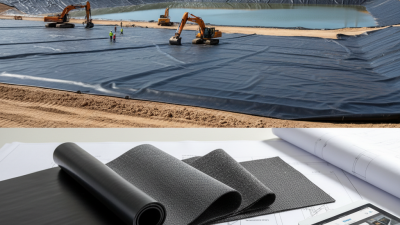
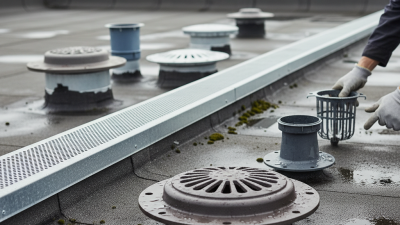
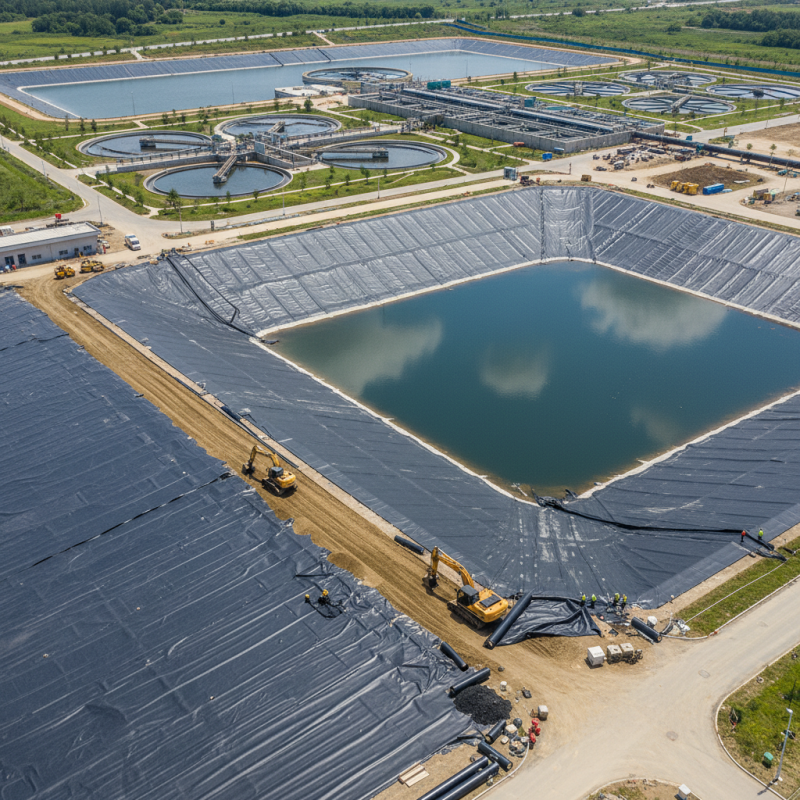
Pe geomembranes play a crucial role in water management systems. They are widely used in landfills, ponds, and reservoirs. Their impermeable nature helps in containing water and preventing contamination of the surrounding environment. In urban construction, they can be used to manage stormwater and control flooding.
Integrating pe geomembranes into water management projects provides numerous benefits. These materials are lightweight yet durable. They can easily adapt to various landscapes and environments. However, installation must be approached carefully. Poor installation can lead to leaks, which defeats the purpose of using geomembranes. Regular inspections are vital to ensure optimal performance.
Tips: Always assess site conditions before installation. Consider soil type and moisture levels. Proper training for the installation team can minimize risks. Plan for maintenance. Regular checks can prevent costly repairs later. Moreover, remember to evaluate the long-term impact of geomembranes on the ecosystem.
Top Applications of Pe Geomembrane in Modern Construction Projects
| Application Area |
Description |
Benefits |
| Landfill Liners |
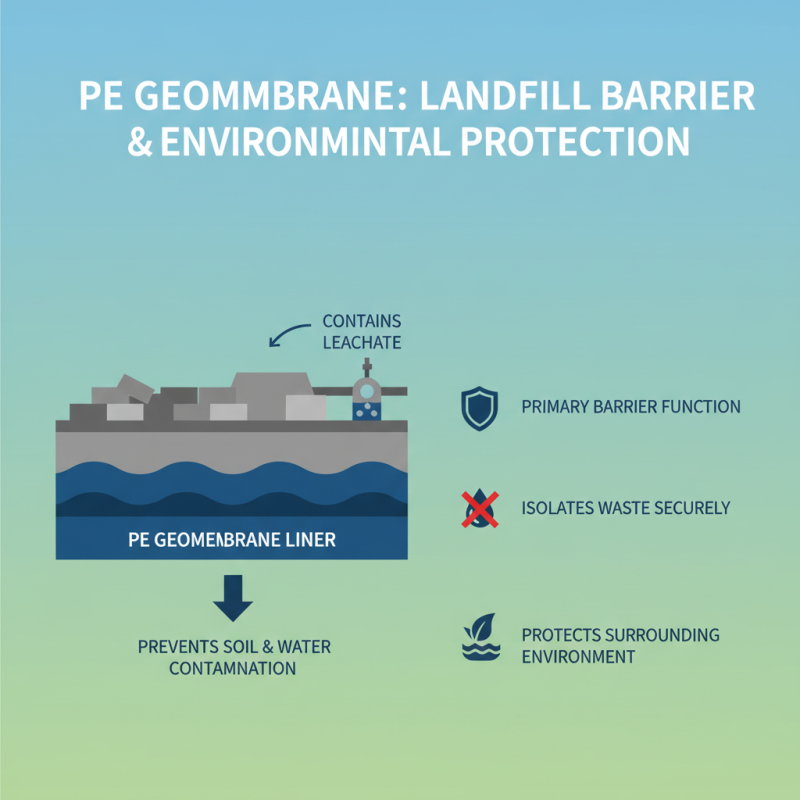
Used to prevent leachate from contaminating groundwater. |
Environmental protection and regulatory compliance. |
| Water Storage |
Used in reservoirs and ponds to retain water. |
Reduced evaporation and minimized algae growth. |
| Wastewater Treatment |
Liners and covers for treatment lagoons. |
Efficient containment and reduced odor emissions. |
| Canal Lining |
Used to line irrigation and drainage canals. |
Improved water conservation and flow control. |
| Slope Protection |
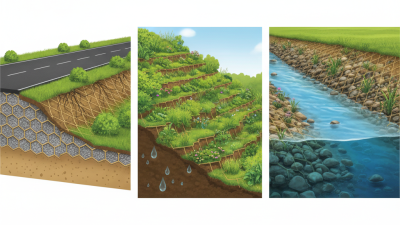
Used on slopes to prevent erosion and improve stability. |
Enhanced safety and longevity of structures. |
Utilizing Pe Geomembrane in Environmental Protection Projects
PE geomembranes play a crucial role in environmental protection projects. These flexible liners serve as barriers to prevent contamination in landfills, mining operations, and agricultural applications. Their impermeable nature keeps harmful chemicals from leaching into groundwater and soil. In essence, they safeguard our natural resources.
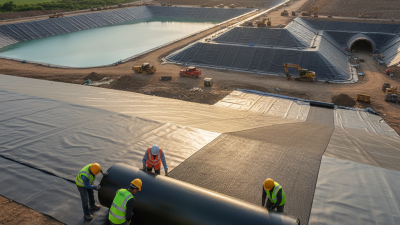
When used in landfill projects, PE geomembranes must be installed with precision. Any gaps or imperfections can lead to leaks. This is a point worth reflecting on, as it highlights the need for thorough quality checks. Proper installation methods also reduce the risk of damage from weather or wildlife, ensuring the longevity of the system.
In agricultural settings, these geomembranes assist in water conservation. They help create ponds and reservoirs that minimize evaporation. However, the environmental impact must be considered. Over time, the accumulation of plastic materials can be problematic. Discussions about recycling and responsible disposal of these products are essential as we strive for sustainable practices.
Enhancement of Agricultural Practices with Pe Geomembrane Applications
Pe geomembranes play a significant role in enhancing agricultural practices. These durable liners effectively control water loss in irrigation systems. Farmers can use these materials to improve soil moisture retention. This technology aids in sustainable farming, especially in arid regions.
Water management is crucial in agriculture. Pe geomembranes help prevent contamination of groundwater. They can also reduce soil erosion, promoting healthier crops. Farmers should consider implementing them in their fields. A simple installation can lead to great results.
Tips: Use geomembranes in ponds and reservoirs. This helps keep water clean for irrigation. Regular maintenance can extend their lifespan. Monitor any damage regularly to ensure effectiveness. Remember, even the best materials require proper handling.
Top Applications of PE Geomembrane in Modern Construction Projects
Pe Geomembrane in Infrastructure Projects: Case Studies and Benefits
Pe geomembranes play a crucial role in modern infrastructure projects. They are widely used in landfill liners, pond liners, and water reservoir applications. These materials offer excellent resistance to various chemicals. This durability is essential for protecting both the environment and human health.
In several case studies, Pe geomembranes have shown significant benefits. For instance, in a waste management facility, they prevented leachate leakage, safeguarding groundwater. In another example, a water treatment plant utilized Pe geomembranes to contain treated water. The cost-effectiveness of Pe geomembranes was evident in both cases.
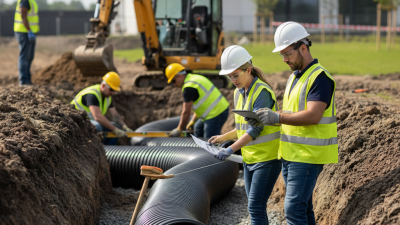
Tips: Always consider the thickness of the geomembrane. A thicker geomembrane often provides enhanced durability. Regular inspections are essential too. Look out for punctures or wear over time. Ensure that the installation team is experienced and knowledgeable. Poor installation can lead to leaks and increased costs down the line.
Implementing Pe geomembranes in your infrastructure project can be
a game changer. However, it's vital to conduct thorough research. Understand the specific environmental conditions where the geomembrane will be used. Different applications might require different specifications. Misjudging these factors can compromise the project.