2026 Top Roofing Drains Trends and Innovations to Watch?
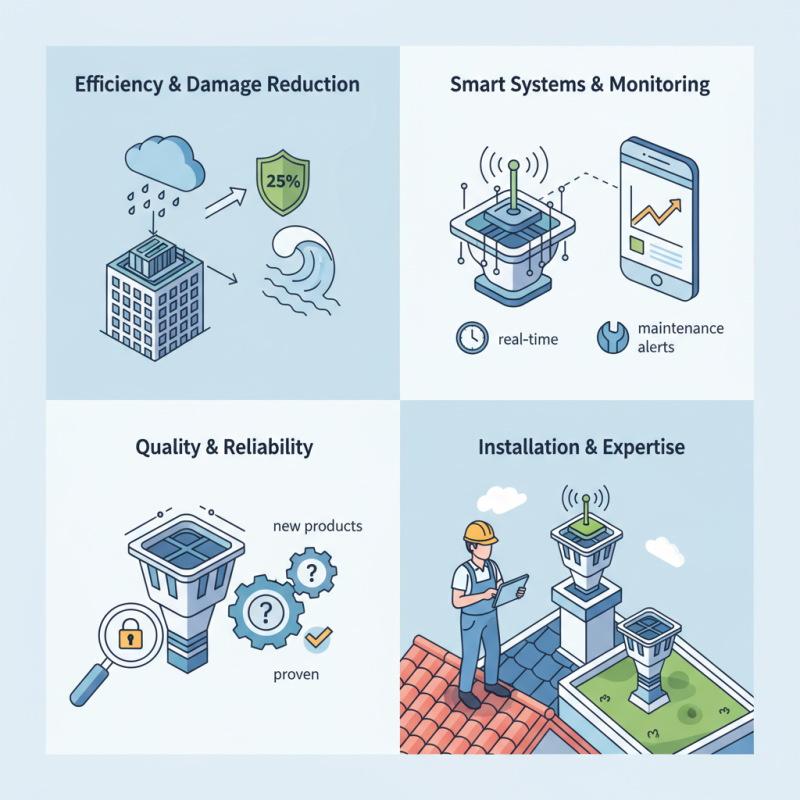
The roofing industry is witnessing transformative changes in 2026, especially regarding roofing drains. Statistics reveal that efficient drainage systems can reduce water-related damages by as much as 25%. An effective roofing drain system is crucial for the longevity of commercial and residential buildings. Improved roofing drains help manage heavy rainfalls and ensure structural integrity, which is vital in today’s climate.
Innovations such as smart drainage systems are emerging, promising real-time monitoring and maintenance alerts. Recent reports indicate that integrating technology into roofing drains can enhance their functionality and efficiency. However, it is essential to approach this trend with caution. As new products enter the market, quality assurance remains a critical concern. Understanding the reliability of these innovations is key for industry professionals.
While advancements in roofing drains offer potential benefits, they also require ongoing assessment. The installation of modern systems demands specialized knowledge and expertise. Balancing innovation with traditional practices is a challenge that professionals must navigate. As we explore the trends and innovations in roofing drains for 2026, a thoughtful approach will be essential for fostering a resilient roofing industry.
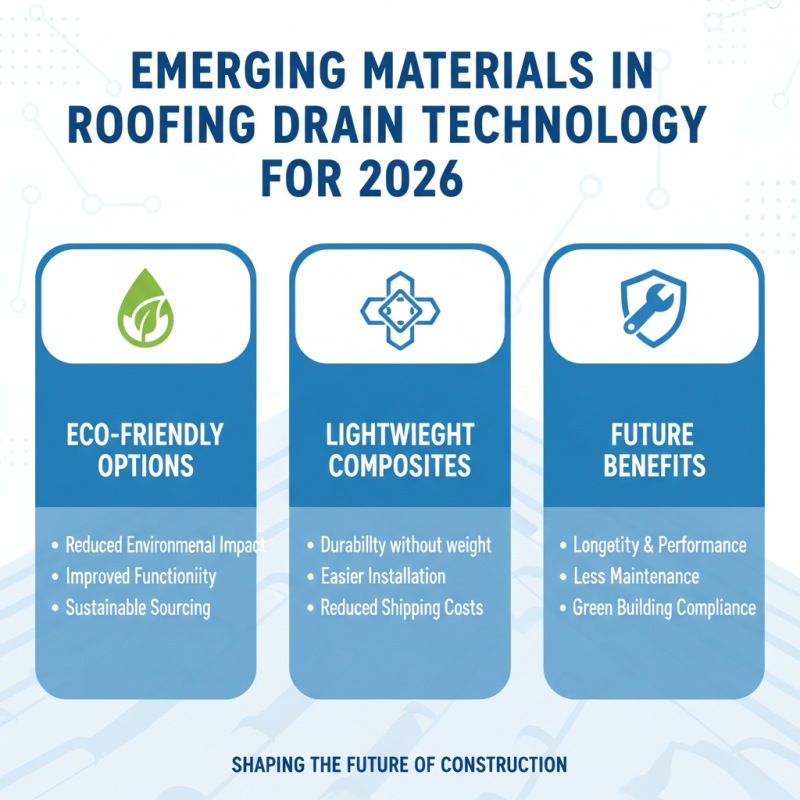
Emerging Materials in Roofing Drain Technology for 2026
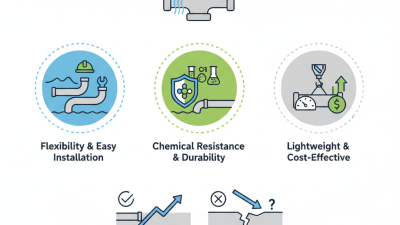
Emerging materials in roofing drain technology are shaping the future of construction. In 2026, we can expect a surge in eco-friendly options. These materials reduce environmental impact while improving functionality. Lightweight composites are gaining traction. They provide durability without the added weight of traditional materials. This leads to easier installation and maintenance.
Recycling is also becoming critical. Many new products utilize recycled plastics or metals. This practice not only supports sustainability but also enhances performance. For example, some drains now feature self-cleaning mechanisms. This innovation can save time and labor costs on maintenance. However, the effectiveness of these innovations still needs thorough testing over time.
Another notable trend is the adoption of smart technology. IoT integration allows for real-time monitoring of drainage systems. This can prevent clogs or flooding, critical in areas prone to heavy rainfall. Still, reliance on technology raises questions about vulnerabilities. What happens if the system fails? Ensuring reliable backups and manual options remains essential. As we embrace these advancements, careful evaluation and ongoing refinement are needed.
Innovative Designs Enhancing Roof Drain Efficiency and Functionality
As the landscape of roofing technologies evolves, the focus on roof drain designs has intensified. Innovative approaches aim to boost efficiency and functionality. A report by the National Roofing Contractors Association highlighted that improperly functioning roof drains can lead to significant water-related issues, costing property owners thousands in repairs. Advanced drain designs address these concerns, incorporating better water flow dynamics.
The integration of materials like lightweight polymers and stainless steel enhances durability and performance. Recent studies show that these materials can reduce corrosion, extending the lifespan of roof drains by up to 30%. Another trend is the use of smart technologies. Sensors that monitor water levels can trigger alerts for maintenance, preventing clogs or overflow. Yet, these intelligent systems may come with a learning curve, leading to initial misunderstandings by users unfamiliar with their operation.
However, innovation isn't without challenges. The transition to modern designs requires education and adaptation from the industry. Some traditional contractors express concerns over the reliability of new materials and technologies. Balancing modern innovation with time-tested practices can be pivotal. As we move towards 2026, it's crucial to weigh these potential benefits against the realities of implementation and maintenance.
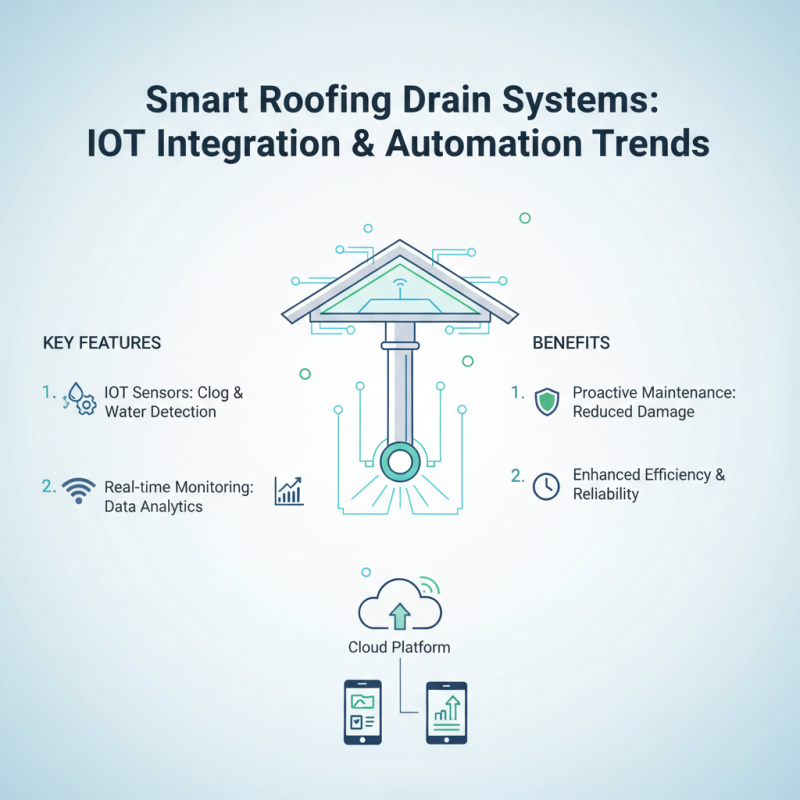
Smart Roofing Drain Systems: IoT Integration and Automation Trends
Smart roofing drain systems are evolving rapidly, integrating Internet of Things (IoT) technology and automation. These advancements enhance efficiency and maintenance. IoT-enabled drain systems can detect clogs or water accumulation. Real-time data helps managers address issues proactively, reducing potential damage.
Automation plays a crucial role. Sensors can trigger a self-cleaning function. This ensures drains remain clear without constant human oversight. However, challenges exist. Implementation costs can be high, and staff may require training. Understanding how to maximize these systems is vital.
Despite advancements, reliability is a concern. Technology can fail, leading to leaks or flooding. Regular maintenance and checks are essential to ensure long-term functionality. Continuous learning from both successes and failures will guide future innovations in roofing drain systems. Balancing automation and human intervention is crucial for optimal performance.
Sustainability in Roofing Drains: Eco-Friendly Innovations to Consider
As the roofing industry evolves, sustainability is becoming a focal point. Eco-friendly innovations in roofing drains are gaining traction. These advancements help reduce environmental impact and improve overall building efficiency. Rainwater harvesting systems are a great example. They allow for the collection and reuse of stormwater. This not only conserves water but also minimizes urban runoff, which is crucial for maintaining local ecosystems.
Another important trend is the use of sustainable materials in drain systems. Recycled plastics and metal components are increasingly being utilized. These materials offer durability while reducing waste. Implementing greener solutions can be challenging. Building codes and standards may not yet fully accommodate innovative designs. However, collaboration among industry stakeholders can pave the way for better practices.
Integrating smart technologies is also promising. Sensors can monitor flow rates and alert property managers to potential blockages. This proactive approach can prevent costly repairs in the long run. While the benefits are clear, the upfront costs may concern some investors. Striking a balance between cost and sustainability remains a topic for discussion. Finding reliable solutions should be a priority moving forward.
2026 Top Roofing Drains Trends and Innovations to Watch
| Trend/Innovation |
Description |
Sustainability Impact |
Implementation Challenges |
| Smart Drainage Systems |
Integration of IoT technology for monitoring drainage efficiency. |
Reduces waste and improves water management. |
High initial installation costs. |
| Recycled Material Drains |
Drains made from recycled plastics and metals. |
Lowers carbon footprint and promotes waste reduction. |
Durability concerns compared to traditional materials. |
| Green Roof Integration |
Designing drains that support green roofs for better water absorption. |
Enhances biodiversity and reduces runoff. |
Requires additional structural support. |
| Self-Cleaning Drains |
Drains that use natural filtration systems to minimize maintenance. |
Promotes longevity and reduces manual cleaning efforts. |
Potentially higher cost of advanced materials. |
| Water Harvesting Systems |
Systems designed to collect and reuse rainwater from drains. |
Contributes to water conservation and sustainability. |
Regulatory hurdles and installation complexity. |
Regulatory Changes Impacting Roofing Drain Installations and Standards
Regulatory changes are playing a crucial role in shaping roofing drainage systems. As climate resilience becomes a priority, new standards mandating enhanced performance emerge. These regulations focus on improved water management techniques. The goal is to minimize flooding risks and protect infrastructure.
Adapting to these regulations is challenging for many contractors. Lack of clarity in compliance requirements can lead to confusion. Yet, these changes encourage innovative technologies and materials. For instance, advanced drains with better filtration systems are gaining traction. Proper installation of these systems ensures longevity and effectiveness.
The push for sustainable practices often conflicts with traditional methods. This requires ongoing education for industry professionals. They must stay updated on evolving standards. While navigating these complexities, many are finding ways to improve their approaches. Observing the impact of these regulations can guide future decisions.